Skip to content
Tap into expert guidance
Cart
 

The Riversol Blog

Your source for dermatologist-approved advice, skincare science, and the latest from Riversol.

Riversol Blog

The 4 Different Types of Wrinkles and What You Can Do About Them

The 4 Different Types of Wrinkles and What You Can Do About Them

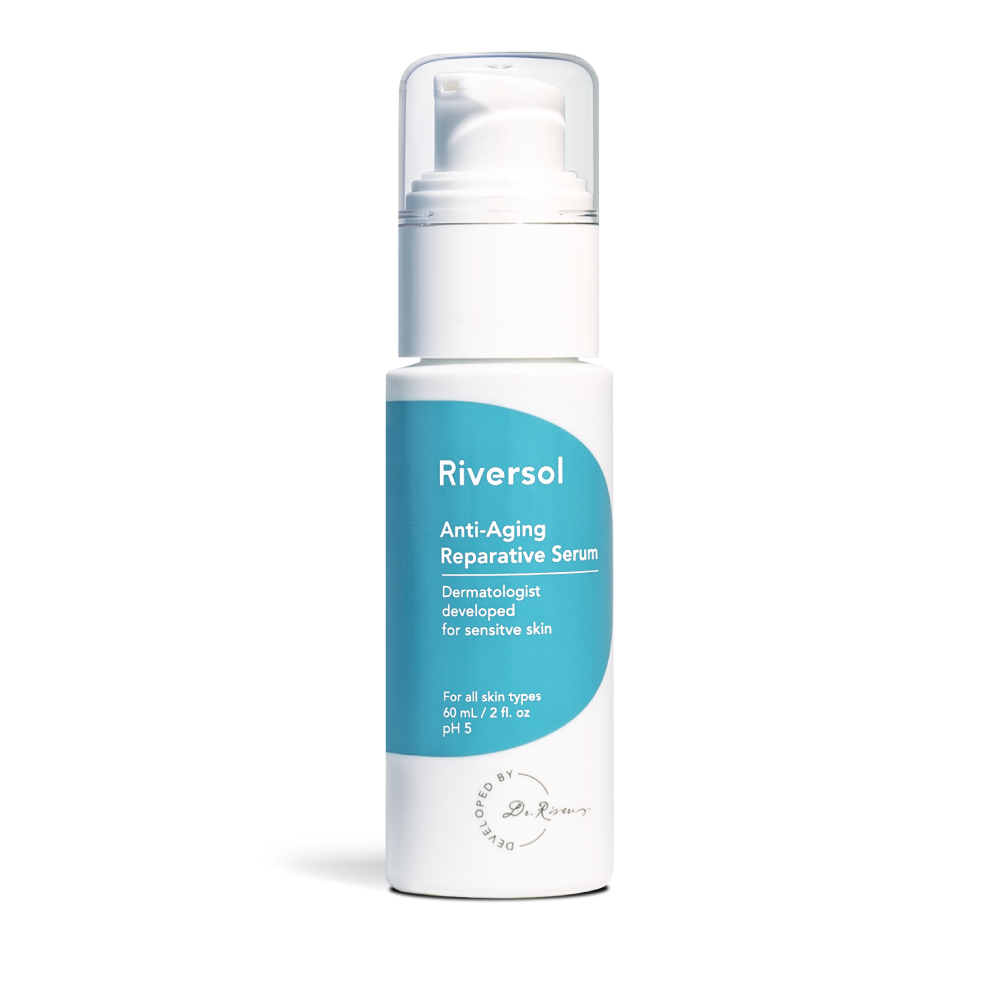
Not all wrinkles are created equal. They look different, they appear in different places, they’re caused by different things and they respond differently to treatments.1The good news is, once you understand their differences, they’re a lot easier to treat -some may even be preventable. Let’s take a closer look at the 4 different types of wrinkles and their distinct characteristics on specific areas of the skin. Crinkle Lines What are they? Also known as atrophic crinkling rhytids, or perhaps more commonly known as the dreaded “eleven’s”. These wrinkles happen as the epidermal and dermal layers of skin loses thickness.2 What do they look like? Crinkle lines are relatively shallow and run in parallel to each other, often on the forehead or anywhere on your body (ie. think the chest), and disappear almost completely when the skin is stretched.3 What’s the main culprit? Age. As time goes on, we all lose collagen and our sebaceous (oil) production slows down in the glands and these wrinkles become a permanent fixture. Another culprit? The sun. Unfortunately the one thing that helps us in so many ways, is also the thing that can cause damage if over-used. UV exposure releases free radicals (elastin’s greatest nemesis) in our skin collagen,breaking down the skin’s ability to hold firmness and structure.4 Permanent Elastotic Creases What are they? These are the ones that end up becoming permanent fixtures in our lives. They become increasingly apparent as time goes on due sun exposure and the natural loss of collagen that comes with age. 5 What do they look like? Characterized by deep lines in the skin, these wrinklestend to show up where the skin creases naturally, such as the base of the neck, the lips, and the cheeks. What’s the main culprit? Sun exposure and smoking. We already know the sun contributes to all wrinkles but smoking makes this type even worse. It deepens those creases and exposes the skin to a myriad of chemicals and carcinogens (which exacerbate skin damage and inhibit healthy cell growth).6 Dynamic Expression Lines What are they? These are the life lines caused by habitual facial expressions, as well as the skin’s loss of elasticity as we age. What do they look like? These typically show up around the eye area (think crow’s feet), mouth and forehead. The good news is, these types of wrinkles are some of the easiest to treat.7 What’s the main culprit? Living life. These are your laugh lines, your frown lines, your squinting at the sun lines. These are the lines that are pretty much unavoidable but a little more acceptable (especially if you’ve laughed a lot in your life). Gravitational Folds What are they? Another unavoidable, this one has to do with gravity as the name suggests. As we age, skin loses firmness and begins to sag, separating itself from the underlying fat and muscle.8 What do they look like? Deep lines or folds most commonly apparent in the neck, chin, and jowls. They can also be seen in the drooping of the upper eyelids or the lines that run vertically on either side of the chin. What’s the main culprit? Gravity (no surprises here). And as we know all too well, the only way to take gravity on, is to take preventative measures. Luckily, There Are Solutions First things first, get ahead of the game. Start taking preventative measures to mitigate the inevitable (or at least slow it down as much as humanly possible). Here’s how: Anti-aging products – But not just any products, the right products. To truly combat wrinkles, you need the antioxidant power of Vitamins E & C that help hydrate the skin and bolster its UV defenses. The Riversol Anti-Aging Trio includes these ingredients and other powerful antioxidants like Beta –T, a skin rejuvenator that reduces the appearance of discolouration and dark spots. Avoid the sun (as much as possible)– up to 90% of skin aging is caused by sun exposure9, but we get it,it’s not the easiest or most desirable option. However, managing your exposure will certainly help. For all other times, make sure you’re wearing a really good SPF (see below). Wear a really good SPF – You need broad spectrum UVA/UVB protection and you’re only going to get that from a quality product, like Riversol 30 SPF. Use a lot and use it often - you should be reapplying every 1-2 hours if you’re out in the direct sun, swimming or sweating a lot. As with anything related to the skin, we recommend speaking with a professional dermatologist to determine exactly what type of wrinkles you have, so you can determine the best possible treatment options available. References Gérald E Piérard, Isabelle Uhoda, Claudine Piérard-Franchimont (2004) From skin microrelief to wrinkle. An area ripe for investigation. Retrieved from: https://onlinelibrary.wiley.com/doi/abs/10.1111/j.1473-2130.2003.00012.x Anca O. Dragomirescu, Mihaila Andoni, Daniella Ionescu and Felicia Andrei (2014) The Efficiency and Safety of Leuphasyl – A Botox-Like Peptide. Retrieved from: https://www.mdpi.com/2079-9284/1/2/75/htm P. Quatresooz, L. Thirion, C. Piérard-Franchimont, G.E. Piérard (2006) The riddle of genuine skin microrelief and wrinkles. Retrieved from: https://onlinelibrary.wiley.com/doi/full/10.1111/j.1467-2494.2006.00342.x Sony Sherpa MD (2019) Wrinkles: Evaluating Types and Treatment Options. Retrieved from: https://www.gilmorehealth.com/wrinkles/ Eur J Dermatol (2002) Skin ageing: clinical and histopathologic study of permanent and reducible wrinkles. Retrieved from: https://www.ncbi.nlm.nih.gov/pubmed/11978565 Khalifa E. Sharquie, Jamal R. Al-Rawi, Maqsood M. Aljumaily (2013) Association between smoking and facial wrinkling in relation with age and sex. Retrieved from: https://www.iasj.net/iasj?func=article&aId=85063 Hournal of Dermatological Treatment (V. 24, 2014 Issue 4) Confirmed efficacy of topical nifedipine in the treatment of facial wrinkles. Retrieved from: https://www.tandfonline.com/doi/abs/10.3109/09546634.2013.802759 Goesel Anson, MD, FACS, Michael A.C. Kane, MD, Val Lambros, MD, FACS (2016) Sleep Wrinkles: Facial Aging and Facial Distortion During Sleep. Retrieved from: https://academic.oup.com/asj/article/36/8/931/2613967 Arielle Grabel (2019) Photoaging: What You Need to Know About the Other Kind of Aging. Retrieved from: https://www.skincancer.org/blog/photoaging-what-you-need-to-know/

Learn more about The 4 Different Types of Wrinkles and What You Can Do About Them
Acne in Menopausal Skin

Acne in Menopausal Skin

Menopause often comes with a plethora of skin changes which we have discussed in a previous article here. Sometimes, these changes include acne. It doesn’t seem fair to have to battle pimples, wrinkles and menopause symptoms at the same time, but please know that you are not alone. Clinical studies have shown that as much as 26.3% of women in their 40s and 15.3% of women aged 50 or older reported experiencing acne1. It is even common for women who have never had acne in their teens to be battling with breakouts for the first time as an adult. Dermatologists are even finding that acne in older women has been increasing for the last 10-20 years2. Adult acne is also much more common amongst women than men.    If you are experiencing troubles with acne, check out Dr. Rivers newly developed Comprehensive Acne Treatment. This treatment, a patented dual chamber formula which activates when mixed, helps treat and prevent acne on a molecular level. What Causes Acne in Older Women? Acne during and after menopause is most likely due to a combination of different factors, with hormonal imbalances being the main culprit. During both puberty and menopause, changes in hormonal levels lead to a relatively higher number of androgens (male sex hormones) than estrogens. As women start menopause, there is a steady decline in the production of estrogen by the ovaries while androgen levels remain the same3. Androgens stimulate the skin’s oil glands and hair follicles, and overstimulation can lead to acne. For some women, it may also be responsible for a deepening of the voice and the appearance of facial hair. Although most mature women with acne have normal androgen levels, it is recommended to check for any hormonal irregularities if you’re noticing acne later in life, especially in the case of cystic acne4. Besides hormones, there are a number of other factors that may trigger or worsen breakouts. There is solid evidence to support the theory that stress may trigger acne flare-ups. Studies have shown that stress stimulates the body to produce more pimple-causing androgens5. This explains why you may see more breakouts than usual during periods of stress. Although it may seem impossible at times, it is important to learn how to manage stress in life. At Riversol, our favorite activity to help us relax is yoga - that post-yoga glow is definitely not a myth! Do any of your parents or siblings have acne? If they do, it might indicate that you are more likely to get it. Research published by the American Academy of Dermatology has found that some people may have a genetic predisposition for acne6. Acne can also be a side effect of certain medications. If you notice that a medication is causing you to breakout or make the pre-existing acne worse, chat with your prescribing doctor. Sometimes, acne can indicate an underlying medical condition7. In this case, breakouts may clear once the medical condition is diagnosed and treated. It may also be possible for your hair and skin care products to be the culprit. Make sure to check that you are using products least likely to cause acne. These are often indicate that they “Won’t clog pores”, or are “Non-comedogenic”. Dr. Jason Rivers created Riversol, his line of non-comedic skincare with antioxidant ingredients. His newly developed Comprehensive Acne Treatment penetrates pores, clearing up existing acne pimples and preventing new pimples from forming. Does Acne in Menopausal Women and Adolescents Look Different? Generally, the answer is yes. While teens usually get blackheads, whiteheads, papules or pustules, acne in adult women tend to be small, hard, tender cysts that commonly occur around the lower part of the face (chin, jawline and upper neck)8. These cysts last longer and can be unpredictable. In older women, it is common for acne and rosacea to go together. A subtype of rosacea (papulopustular rosacea) is characterized by a constant or persistent redness and bumps or pimples forming. According to Dr. Rivers, adult acne and rosacea require separate treatments, but they may overlap in more advanced cases. For example, oral antibiotics may improve severe acne and rosacea, but the dose needed for rosacea is much less than that for acne. If you want to learn more about rosacea, it’s causes and how to manage it we have a great resource here. Are There any Treatments out There That Can Help? Absolutely! Admittedly, it is tough to deal with aging skin and acne at the same time. But there is no reason to be disheartened. Although there is no single cure for acne, there are effective solutions out there for your complexion woes. Depending on the severity, you may find that a combination of different treatments is best. Most acne medications are developed for younger skin, and since acne in menopause is different than in adolescence, many of these won’t work as well in older women9. Some can have a harsh drying effect that may not be tolerated as well by older skin. Dr. Rivers specifically developed his new treatment to be gentle enough for the most sensitive skin types. Adult acne can also be more resistant to treatment and it may take several weeks or months for the treatments to show results, so patience is key10. Here are 8 solutions that have shown to be a great help for some individuals with adult acne: Topical Retinoids Retinoids are derivatives of Vitamin A that can tackle both acne and aging concerns. They comes in either topical gels or creams that are available by prescription. They treat acne by opening up pores, which helps prevent pimples and improves the absorption of other acne medications11. Retinoids also stimulate the production of collagen, reducing fine lines and wrinkles. Initially, retinoids can be harsh and very drying to the skin. In the first few weeks your skin might peel and flake, but panicking and giving up may be a big mistake. There are steps that you can take to minimize these undesirable side effects, such as starting out slowly so your skin can get acclimated to it, only applying it to dry skin (ideally waiting 20 minutes after cleansing), and applying a gentle moisturizer. Retinoids may not be suitable for your skin if you also have rosacea or very sensitive skin. Combination of Antimicrobials (Benzoyl Peroxide or Topical Antibiotics) with Retinoids Dermatologists often prescribe topical antibiotics to treat acne because they have both antimicrobial and anti-inflammatory properties. Benzoyl peroxide is an antibacterial medication that you can find over-the-counter in lower concentrations. Some research has shown that a combination of either topical antibiotics or benzoyl peroxide with retinoids are much more effective than just using a single treatment12. Oral Antibiotics Oral antibiotics can be effective for treating menopausal acne, especially for controlling severe flare-ups. However, many dermatologists have reservations about prescribing them for long-term use as the bacteria can become resistant, and render the medication useless. Hormonal Therapies The most effective treatment for adult acne is usually some form of hormonal therapy. For menopausal women, this means Hormone Replacement Therapy (HRT) or spironolactone, which controls the imbalance between androgens and estrogens in the body. However, not everyone is a good candidate for HRT. It is especially risky for women with a history of breast cancer, coronary heart disease, stroke, or active liver disease. It is best to discuss your personal risk factors with your doctor.  Light Therapy Blue light therapy has been shown to lessen acne by reducing the acne-causing bacteria, P.acnes, and reducing the skin’s production of oil. Generally, a series of treatments are needed and the results do not last forever. You will need maintenance treatments several times a year13. Topical Vitamin C Incorporating skin care products containing vitamin C can help reduce the redness associated with acne14. As an added bonus, they also help build collagen, boost your sunscreen’s efficiency and brighten your skin. Chemical Peels A chemical peel is a non-invasive treatment that uses naturally occurring acids such as alpha hydroxy acid (AHA) or beta hydroxy acid (BHA) to exfoliate the uppermost layer of skin. It can help reduce redness, blackheads, whiteheads and clogged pores, but not so much cystic acne15. Azelaic acid is also a type of acid that is usually prescribed as a topical gel or cream to treat acne and rosacea. Besides professional peels at your dermatologist’s clinic, it may be helpful to incorporate lower strength at-home peels. You can readily find peel products over the counter with the most common forms being salicylic acid (BHA) or glycolic acid (AHA). These safe and effective Glycolic Peels can help you uncover a new layer of fresh and vibrant skin. They can also clear the pores which, when clogged lead to breakouts. The Riversol Exfoliating Glycolic Peel was formulated by Dr. Jason Rivers specifically to be gentle on sensitive skin prone to oiliness or breakouts. Diet Let’s start with the bad news. It may be time to avoid your favorite cheese or ice cream. Dr. Rivers advises those who struggle with breakouts to avoid dairy products and foods with a high glycemic index. The glycemic index is a ranking of carbohydrate-rich foods based on how fast they raise blood sugar levels. The good news is that you can eat chocolate and greasy food without feeling guilty! Although you may want to eat less greasy food for health’s sake, there is no scientific evidence that links both chocolate and greasy food with acne16. Conclusion Coming to terms with adult acne is difficult, not to mention the wrinkles and lines that are simultaneously starting to deepen. There are plenty of reasons you can get breakouts well into your 40s, 50s and even 60s. Hormonal changes, stress, genetics, just to name a few, are possible culprits. It is usually hard to narrow down acne to a single cause, and likewise, it is also difficult to get rid of it with just a single treatment. If you’ve tried over-the-counter acne creams with no luck, it may be best to see your family doctor or dermatologist. There is no reason to have to endure acne, and as we have discussed, there are so many effective treatment options available. Dr. Rivers' new Comprehensive Acne Treatment was developed after countless patient inquiries for an effective, topical acne solution without the side-effects common with other treatments. If you have any questions at all, please don’t hesitate to contact us. References American Academy of Dermatology. "Women More Likely Than Men To Be Affected By Acne As Adults." ScienceDaily. ScienceDaily, 20 October 2007. American Academy of Dermatology. “Hormonal factors key to understanding acne in women.” American Academy of Dermatology. 13 Mar. 2012. Meisler, Jodi Godfrey. “Toward Optimal Health: The Experts Discuss Facial Skin and Related Concerns in Women.” Medscape. n.d. Meisler, Jodi Godfrey. “Toward Optimal Health: The Experts Discuss Facial Skin and Related Concerns in Women.” Medscape. n.d. American Academy of Dermatology. “Adult Acne.” American Academy of Dermatology. 2017. American Academy of Dermatology. “Adult Acne.” American Academy of Dermatology. 2017. American Academy of Dermatology. “Adult Acne.” American Academy of Dermatology. 2017. Brandith, Irwin. “Menopause and Acne.” Skintour. Skintour, n.d. Brandith, Irwin. “Menopause and Acne.” Skintour. Skintour, n.d. EveL. “Menopause and acne: Everything you need to know.” Lifeclimax. 30 Mar. 2014. Addor, FA, and S Schalka. “Acne in Adult Women: Epidemiological, Diagnostic and Therapeutic Aspects.” An Bras Dermatol 6.85 (2010): 789=95. EveL. “Menopause and acne: Everything you need to know.” Lifeclimax. 30 Mar. 2014. Brandith, Irwin. “Menopause and Acne.” Skintour. Skintour, n.d. Meisler, Jodi Godfrey. “Toward Optimal Health: The Experts Discuss Facial Skin and Related Concerns in Women.” Medscape. n.d. Brandith, Irwin. “Menopause and Acne.” Skintour. Skintour, n.d. Burris, J, W Rietkerk, and K Woolfe. “Acne: The Role of Medical Nutrition Therapy.” J Acad Nutr Diet. 3.113 (2013): 416–39. What Causes Acne in Older Women? Does Acne in Menopausal Women and Adolescents Look Different? Are There any Treatments out There That Can Help? Topical Retinoids Antimicrobials with Retinoids Oral Antibiotics Hormonal Therapies Light Therapy Topical Vitamin C Chemical Peels Diet Conclusion

Learn more about Acne in Menopausal Skin
7 Tips to Reduce Signs of Aging Around the Eyes

7 Tips to Reduce Signs of Aging Around the Eyes

Riversol's been developing advanced skincare for 20 years. From our experience, skin around the eye is one of the most challenging areas to treat. However, with a little care and with the right formulas, it can remain radiant and vibrant.  The eye area has of the most delicate skin on your face. Unfortunately, that also means it will show signs of aging first, developing fine lines and wrinkles, dark circles, puffiness, laxity, dryness and uneven texture. Even if all these signs aren't apparent yet, a lot of the damage may already be done but just under the surface of the skin – for now. Knowing all this, Dr. Rivers developed Eye Repair Treatment. It specifically addresses all these issues, designed to provide much-needed hydration to the delicate eye area and includes peptides to help reduce the look of puffiness and dark circles. You can learn more about Riversol's eye cream here. There are also a lot of other non-topical things we can do to minimize the aging effects in the eye area. Environmental stressors and lifestyle play a huge part in the aging process accelerating the rate of visible damage, according to the National Institute on Aging. 7 Tips to Reduce Signs of Aging Around the Eyes Decrease Sun Exposure and Tanning The Skin Cancer Foundation reports that UVA rays accelerate the aging process by penetrating deep into the basal layer of the epidermis. This is especially true of the eye area where the skin is considerably thinner and more susceptible to UV-induced pigmentation (ie. hyperpigmentation, dark patches and age spots). Wearing sunglasses or prescription glasses with UVA and UVB protection may help to stave off the sun’s rays from the eye area. Quit Smoking According to research in the Journal of Investigative Dermatology, airborne toxins and particulate matter such as those found in urban pollution and cigarette smoke can cause inflammation and even trigger the malanocytes that lead to skin-darkening age spots. This leads to premature aging in the eye area, accelerated with smoking. Use a Humidifier Skin's moisture barrier protects the underlying structure from dehydrating and from environmental stressors such as free radicals and inflammatory particulates. Consistent exposure to dry air can lead to a breakdown of this barrier, which can accelerate the appearance of fine lines, wrinkles and uneven skin tone. No matter where you live in the world, there will be at least one season when your skin will be exposed to particularly dry air. Using a humidifier can help balance the deficit of moisture in the air.  Be Gentle Around the Eye Area While most people are careful during the application of makeup, skincare and sunscreen, at the end of the day it's equally important to remove the makeup and sunscreen with equal care. Resist the urge to rub and scrub. Opt instead for slow, gentle sweeping motions. Consider the double cleansing method, starting with a gentle micellar lotion and soft cotton pad. Decrease Stress Levels High stress levels result in an increase in the stress hormone, cortisol, which can lead to immune system damage, potentially leading to visible changes in skin. These changes can present as wrinkles, crow's feet and skin laxity, amplified in the fragile skin around the eyes. Triggers for stress and conversely, methods for de-escalation are incredibly personal. Take some time for self-care to learn what works for you. Not everybody loves yoga and bubble baths. Hydrate and Eat Well Skin if your largest organ, so what you eat and drink can be reflected in the state of your skin. Alcohol and caffeine can dehydrate the body, contributing to dry skin and loss of plumpness around the eyes. While it's true that extra hydration doesn't equally correlate to extra, visible hydration in the skin, a minimum, healthy hydration level is necessary for proper skin barrier function. People generally underestimate the amount of water they drink in a day, so keep a water bottle of water with you throughout the day to reduce friction points. Additionally, opting for whole foods over processed foods provide more nutritionally dense fuel for your body, helping you feel full for longer and nourishing your body with vitamins and minerals instead of refined sugars and processed fats. Use an Effective Eye Cream Using an advanced eye cream can help slow signs of aging around the eyes. Look for an eye cream with ingredients that will hydrate, brighten, firm, decrease puffiness and smooth texture. It's never too late to care for this delicate area. Learn more about Riversol's Eye Repair Treatment here. References National Institute on Aging, National Institute of Health https://www.nia.nih.gov/health/publication/skin-care-and-aging Skin Cancer Foundation http://www.skincancer.org/prevention/uva-and-uvb/understanding-uva-and-uvb Quit Smoking Support http://www.quitsmokingsupport.com/whatsinit.htm Infraorbital Dark Circles: A Review of the Pathogenesis, Evaluation and Treatment https://www.ncbi.nlm.nih.gov/pmc/articles/PMC4924417/ Infraorbital dark circles: definition, causes, and treatment options. https://www.ncbi.nlm.nih.gov/pubmed/19469797 Traffic-Related Air Pollution Contributes to Development of Facial Lentigines: Further Epidemiological Evidence from Caucasians and Asians https://www.jidonline.org/article/S0022-202X(16)00453-X/abstract Skin Aging and Dry Skin https://www.ncbi.nlm.nih.gov/pubmed/15492432 Brain-Skin Connection: Stress, Inflammation and Skin Aging https://www.ncbi.nlm.nih.gov/pmc/articles/PMC4082169/

Learn more about 7 Tips to Reduce Signs of Aging Around the Eyes
The Guide To Retinol - What It Is, How To Use It, and Common Side Effects

The Guide To Retinol - What It Is, How To Use It, and Common Side Effects

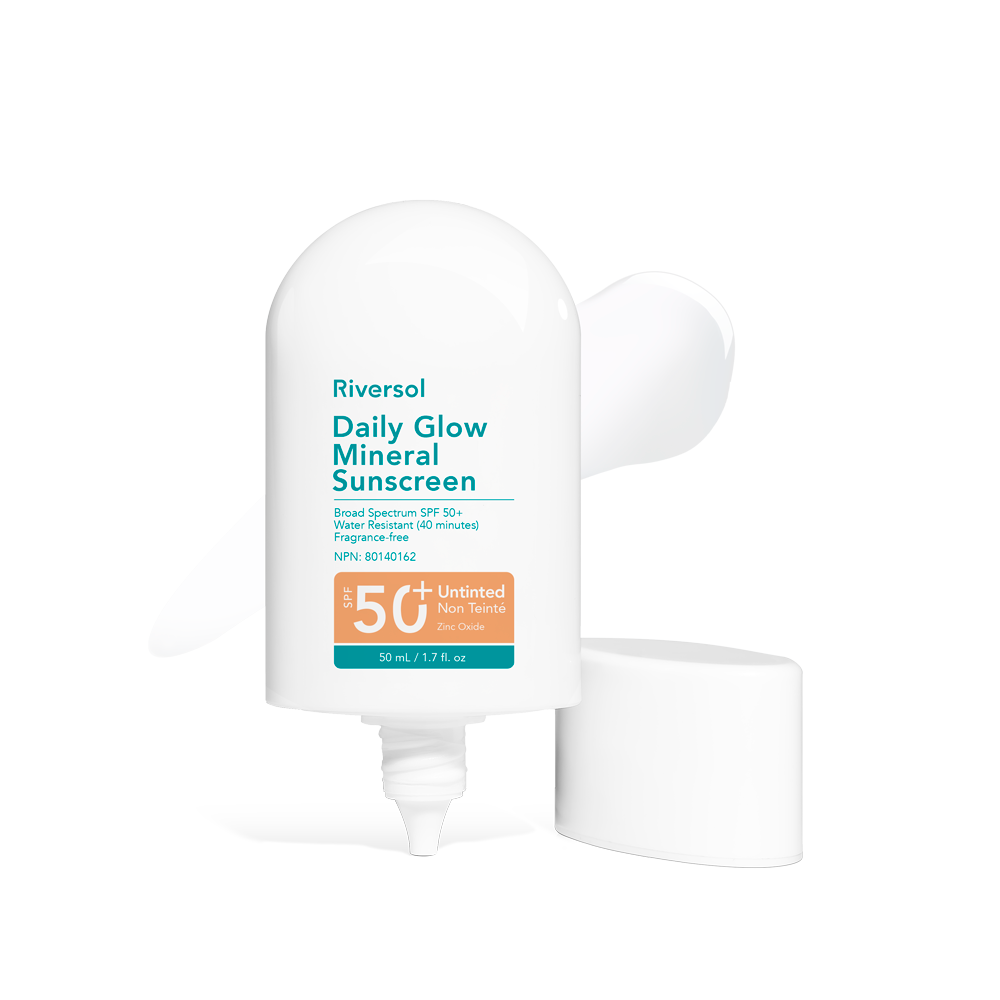
Discover how to introduce retinol into your skincare routine without irritation using dermatologist-developed guidelines tailored for sensitive skin. You have probably seen and heard a lot about retinol, and you have probably heard all the claims. Dermatologists and scientists agree that it is a very effective anti-aging ingredient, which boosts collagen and improves skin. But there are a lot of questions about what it does, proper use, exactly what it is effective for, and possible side effects. So we have put together a complete guide so you can separate the truth from the hype. Maintaining a strong stratum corneum lipid barrier is essential when introducing high-performance ingredients to prevent excessive transepidermal water loss (TEWL). Without careful management, accelerated cell turnover can trigger localized erythema and capillary reactivity in reactive skin types. This guide details how to leverage advanced vitamin A derivatives safely. By pairing cellular defense mechanisms with proper structural support, you can achieve remarkable clarity and smoothness. Let's look at the science-backed protocols for utilizing this golden standard active while entirely avoiding the inflammatory cascade. What Is Retinol? What Does Retinol Do For Your Skin? The Cellular Turnover Accelerator And Collagen Booster The Acne Attacker, Wrinkle Reducer, And Dark Spot Fader Who Should Use Retinol? What Are The Side Effects Of Retinol? Building A Skincare Routine With Retinol Frequently Asked Questions What Is Retinol? Retinol is a form of vitamin A, sometimes referred to as vitamin A1. Dermatologists and skincare experts have called retinol the gold standard ingredient in facial cremes and serums, due to its many benefits from smoothing wrinkles to unclogging pores to firming skin. Retinol is known to boost the amount of collagen your body makes, plumping out skin, and reducing wrinkles and fine lines. It also improves skin tone and colour and reduces dark or modified patches. It works differently than other anti-aging and acne products. Instead of removing dead skin cells, the small molecules that make up retinol go deep beneath the epidermis (outer layer of skin) all the way to your dermis. Once applied to the skin, retinol is converted by skin cells into retinoic acid, and it is this conversion process that creates visible improvements to the skin's texture and condition. What Does Retinol Do For Your Skin? First and foremost, retinol encourages cell renewal on your epidermis. This helps thicken the skin's layers while enhancing its ability to retain water (which improves the appearance of fine lines and wrinkles). This enhanced surface skin cell turnover helps smooth skin's texture, while brightening it up and making pores appear less visible. And for those who suffer from dark spots, retinol also helps reduce the appearance of hyperpigmentation. Stabilized active ingredients penetrate deep within the epidermis to encourage repair. The Cellular Turnover Accelerator And Collagen Booster Our bodies are constantly shedding dead skin cells and subsequently replacing them with younger ones. As we get older, this process slows down, which contributes to the visible changes we see in aging skin: deeper wrinkles, darker spots, and duller skin. What retinol does is put the whole process of cell turnover on fast-forward, which makes the progression of the cells through the skin and the sloughing of the top layer happen a little bit faster. That leads to a reduction in fine lines and wrinkles, as well as an improved appearance of the texture of the skin. By helping to accelerate cellular turnover, retinol helps to refine the appearance of the skin, minimize pores, and remove the dead skin cells that make the skin look dull. Overall, retinol promotes a more even tone and complexion. Because cellular turnover slows as you age, many dermatologists recommend adding retinol to your routine by the time you hit your late 20s. Collagen is one of the most plentiful proteins in your body. It has a lot of important roles, one of which is giving structure to your skin. Our bodies produce collagen at a higher rate when we are young, and decreases as we age. A 2000 study examined the effect of applying retinol on aged skin in 53 participants who were aged 80 or above. The research showed that retinol application for just 7 days led to a reduction in the breakdown of collagen, plus an increase in collagen production. The study concluded that retinol can be an effective anti-aging treatment. Retinol has also been shown to increase the lifespan of collagen, while blocking certain enzymes that destroy collagen. Small wonder dermatologists say it is such a valuable addition to many skin care routines. Antioxidants are compounds that are thought to protect your cells from the effects of free radicals. Antioxidants like retinol can help your skin fight free radical damage, which is another reason retinol is known as an anti-aging property. The Acne Attacker, Wrinkle Reducer, And Dark Spot Fader Research published in the dermo-literature indicates that retinol is highly effective in treating acne, both inflammatory and non-inflammatory. Retinol was proven to stop the development of new pimples and acne blemishes as well as reduce the visibility of pimples on the skin. According to dermatologists, acne develops when a combination of oil and dead skin cells collect inside those hair follicles on your face. Since retinol encourages cellular turnover, those dead cells are shed and replaced more quickly. By boosting your body's production of collagen, retinol effectively plumps up your skin, which results in a reduction of fine lines and wrinkles. By prompting surface skin cells to turn over rapidly, retinol also enhances new cell growth under the skin, which can stop wrinkles before they even start. This is especially relevant as we age, and our body slows in cellular turnover and collagen production. Retinol accelerates both of those phenomena, effectively turning back the clock on those processes, and reducing the wrinkles that appear on aging skin. Another benefit of retinol is its ability to reduce or sometimes completely eliminate dark spots or discolouration on skin. Retinol's ability to increase your skin's rate of cellular turnover means that the existing, darker skin cells are shed to make way for new, healthy skin cells. It also curbs the body's production of melanin, the darker pigment that creates those dark spots and uneven skin tones. Collagen is a super important component of your body; about one third of all protein in your body is collagen. It is a basic building block of skin, bones, muscles, ligaments, and tendons, and since retinol helps the body produce collagen faster, that means firmer, healthier looking skin for you. Who Should Use Retinol? Retinol (and its prescription counterpart, retinoids) is recommended for skin with inflammatory and non-inflammatory acne. Increased cell turnover pushes the dead skin cells that cause acne out of the way, and opens pores. For anti-aging purposes, any skin type can use retinol. But sensitive or fair skin types should use extra caution, since it might be hard for their skin to adjust. Many dermatologists recommend using retinol around the age of 30. This is when the body's collagen levels begin to decrease. But women of any age can benefit from its many anti-aging properties. Retinol isn't recommended for people whose skin has been over-exfoliated, whether from at-home or in-office treatments. Also, do not use retinol on skin that has been sunburned, or if you have an active eczema rash. It is also recommended that pregnant women not use retinol. Be sure to talk to your doctor or dermatologist first if you think you are pregnant or are planning on getting pregnant in the near future. What Are The Side Effects Of Retinol? When used properly, retinol works well on most people. But there are some known side effects, especially if it is used improperly. All vitamin A derivatives, including retinol, break down when exposed to sun and air. This is why any product containing retinol will come in tubes or pumps with tight-fitting caps. So once it has been opened, the product should be used within a couple of months. After using retinol, it is important to stay out of any exposure from the sun. Some of the drying and irritating effects can be exacerbated by exposure to the sun. In fact, that exposure can actually make age spots and wrinkles worse. To reduce the risk of adverse effects from the sun, wear sunscreen every day and reduce your direct exposure to the sun as much as possible. If you are pregnant, side effects can be quite serious, so it is highly recommended not to use retinol when pregnant, or if you are planning to get pregnant. Retinol is a very potent compound, so as most dermatologists say, less is more. It is recommended to start at the lowest concentration, at the lowest interval. Then, after a few weeks, if your skin can tolerate it, you can slowly apply it more often or at higher concentrations. But dermatologists recommend to increase just one or the other, not both at the same time. Feature Standard Products Riversol Retinol Treatment Key Ingredient Pure Retinol Retinol + Hinokitiol (Beta-T) Formula pH or Texture Heavy oil base Lightweight, neutral pH cream Skin Sensation Stinging and peeling Calming and deeply tolerated Key Co-Active Harsh synthetic perfumes Vitamin C & E derivatives The specialized combination of a soothing base makes this treatment uniquely suited for individuals with reactive or sensitive skin. Best Retinol Treatment For Reactive Skin: Riversol Retinol Treatment Retinol — coupled alongside the trademark anti-inflammatory compound Hinokitiol inside Riversol Retinol Treatment — delivers cell-renewing results at a balanced threshold, making it safe for reactive complexions. It is formulated specifically to minimize the initial adjustment flaking that standard treatments cause. For sensitive skin profiles seeking diminished fine lines, Riversol Retinol Treatment is among the few retinol treatments formulated for skin conditions that typically cannot tolerate vitamin A. Interested in trying Retinol Treatment? Learn more about Retinol Treatment Building A Skincare Routine With Retinol The initial period of acclimation is very different from person to person. It can vary from weeks to months to get adjusted so it is best to start slow and adjust gradually. For best results, renowned dermatologist Dr. Rivers suggests the following retinol routine and best practices for application. Retinol Routine Week 1: Apply the retinol for 1 hour before bed every evening. Wash off with a gentle cleanser, then moisturize. Week 2: Apply the retinol for 2 hours before bed every evening. Wash off with a gentle cleanser, then moisturize. Note: If irritation occurs in week 2, reduce to 1 hour of application (instead of 2) for a full week, then move to 2 hours in the next week. Proceed until you can comfortably wear it for 3 hours with no irritation for a full week. Week 3: Apply the retinol for 3 hours before bed every evening. Wash off with a gentle cleanser, then moisturize. Week 4 and beyond: Apply before bed, then moisturize. Wash off with a gentle cleanser in the morning, follow with a moisturizer. If any irritation develops, reduce the quantity by 50% and start the step again. Retinol Application Wash your face and wait a few minutes until your skin is completely dry. If you use eye cream, apply it before the retinol. Apply a pea-sized amount of retinol to your face. Using your fingertips, spread the product in upward and outward motions, starting at your chin. Upon using retinol, many people feel their skin requires more hydration than usual. To help soothe the dryness, apply moisturizer right after retinol and reapply throughout the day, as needed. Some believe that chemical exfoliants, like the Exfoliating Glycolic Peel, can deactivate retinol so they should not be used together. In actuality, not only are they safe to use together, but they may even be more effective together versus on their own. As with any new skincare routine, we recommend starting slow. Try using retinol for 3-4 weeks before incorporating chemical exfoliants into the routine. It is typically recommended that retinols be used at night, but it is mainly because skin rejuvenates at night when it is unexposed to the elements and free of the day's impurities. It does not mean retinol isn't safe to use during the day. Most reputable products on the market have stabilized retinol so they can be used in the morning or the evening. Just remember, your skin will be more susceptible to sun damage while using retinol. So it is very important to apply a high SPF sunscreen like Daily Glow Mineral Sunscreen SPF 50+ every day when using any product with retinol, even if you are only applying it at night. Using retinol causes slight irritation for your skin. But the right application can help your skin adjust and minimize irritation. After applying your moisturizer, use a pea-sized dab to cover your whole face. For even gentler application, mix the retinol product with a moisturizer in your hand and then apply to your face. Another method is to sandwich the product between two layers of moisturizer. There you have it: your complete guide to retinol, all its anti-aging properties, and how to use it properly, so you can have younger, firmer skin. As we mentioned earlier, it is a good idea to talk to your dermatologist first before incorporating any new product or starting any kind of new routine, especially if you suffer from any skin conditions. Frequently Asked Questions At What Age Should I Start Incorporating Retinol? Many dermatologists recommend introducing a retinol treatment to your skincare regimen by your late 20s or around the age of 30. This timing aligns with the period when natural cellular turnover slows down and your body's intrinsic collagen production begins to steadily decrease. Can I Layer Chemical Peels And Retinol Together? Yes, combining chemical exfoliants like glycolic acid with retinol is safe and can increase overall efficacy. However, to prevent barrier disruption, it is highly recommended to start slow by letting your skin adjust to retinol for 3 to 4 weeks before introducing alpha-hydroxy acids (AHAs). Is It Safe To Wear Stabilized Retinol In the Morning? Yes, modern reputable formulations utilize highly stabilized retinol that can safely be applied in either the morning or the evening. Because accelerated cell turnover leaves new skin more susceptible to UV damage, you must apply a broad-spectrum high SPF sunscreen daily. References Journal of Investigative Dermatology. (1982). Vitamin A in Human Skin: Concentrations of Carotene, Retinol and DehydroRetinol. Archives of Dermatology. (2007). Improvement of Naturally Aged Skin With Vitamin A (Retinol). Journal of the American Academy of Dermatology. (1986). Epidermal effects of retinoids: Clinical implications. About Dr. Jason Rivers, MD Dr. Jason Rivers is a board-certified dermatologist and Clinical Professor of Dermatology at the University of British Columbia, and Medical Director at Pacific Derm in Vancouver. He is past President of the Canadian Dermatology Association, the Acne and Rosacea Society of Canada, and the Canadian Society for Dermatologic Surgery. Dr. Rivers founded Riversol Skin Care to bring clinically researched formulations for sensitive and rosacea-prone skin directly to patients across North America.

Learn more about The Guide To Retinol - What It Is, How To Use It, and Common Side Effects
The Top 6 Ingredients to Calm Redness in Rosacea-Prone Skin

The Top 6 Ingredients to Calm Redness in Rosacea-Prone Skin

Rosacea is a chronic, yet fairly common skin disorder. Its trademark symbol? Small, red, pus-filled bumps that come about during a flare-up, which can make it difficult to distinguish from acne at times. Other symptoms include redness, flushing, and patchy dryness which are typically present on the face, particularly the nose, cheeks, and forehead, though it has been known to travel to the neck, chest, and back.1 Though there are a ton of products out there claiming to treat it, there are only a few that truly do the job of calming the redness. Here are some extremely helpful ingredients to look out for.  Azelaic Acid A compound found in wheat, rye, and barley, azelaic acid is a well-known rosacea helper as its skin-soothing properties help calm persistent redness and sensitivity. Plus, it acts as a mild exfoliant to unclog and refine pores, which is a huge help in targeting the bumps, breakouts and enlarged pores that go along with condition.2 The thing with azelaic acid however is that it takes a couple of weeks to do its job. So when used consistently, you should start to see results within about a month or so. Niacinamide If you’re into health and nutrition, even in the slightest, you’re no stranger to the importance of B vitamins, namely B3. The topical form is niacinamide, a water-soluble B3 with antioxidant and anti-inflammatory properties, making it a good ally to have in your skincare regimen if you’re a rosacea-sufferer. It improves texture and it can also help strengthen the protective barrier function of the skin by increasing the natural lipids found on the surface, while reducing water loss.3 Tranexamic Acid A fairly new player in the rosacea treatment game, tranexamic acid is derived from essential amino acid lysine, it’s said to boast some of the most incredible benefits when it comes to hyperpigmentation, scarring, or splotchy red complexions, aka the hallmark of rosacea. Not only does it brighten skin and improve the appearance of discolouration, but it also helps combat inflammation.4 Bonus: it’s a super gentle ingredient on its own. Just be cautious when combining it with other ingredients. As with any skincare product, it’s always best to add them one at a time to make sure your skin can handle it.  Glycyrrhetinic Acid One of the components of licorice root extract (the one responsible for making licorice taste sweet), glycyrrhetinic acid is known as the calmer. It also helps minimize sensitization and even plays a role in the brightening and improving the look of uneven skin, making it a strong addition to your rosacea skincare arsenal. It’s also considered an antioxidant, which are known to help protect against free radicals.5 And since rosacea sufferers often have an imbalance of antioxidants and free radicals, every little bit helps. Centella Asiatica Also referred to as gotu kola, centella asiatica is the leafy plant with a long history in traditional medicine. It’s also a rich source of active ingredients including saponins, flavonoids, phenolic acids and antioxidants. All good news for rosacea sufferers. Not only does it help calm inflammation, but it also encourages the production of collagen, while improving skin hydration.6 Thus providing the perfect trifecta of benefits to help in the fight against rosacea. Antioxidants We’ve already mentioned a couple of them, but when it comes to treating skin conditions, antioxidants really do pack a punch. Not only do they help combat that free radical damage we were talking about earlier, but they can also help with a whole host of symptoms. For rosacea in particular, antioxidant-rich vitamin C is an amazing one. It helps strengthen the capillaries (which means less redness) and it also improves flushing associated with the condition.7 Learning which ingredients work for you may take some doing as everyone is different and some may work better than others, depending on the seriousness of your condition as well as your skin type. If you’re having trouble finding the right products for your skin, speak to a dermatologist to help you explore some options. References Powell, F. C. (2005). Rosacea.New England Journal of Medicine, 352(8), 793-803. Gollnick H, Layton A. Azelaic acid 15% gel in the treatment of rosacea. Expert Opin Pharmacother. 2008 Oct;9(15):2699-706. doi: 10.1517/14656566.9.15.2699. PMID: 18803456. Emer, J., Waldorf, H., & Berson, D. (2011, September). Botanicals and anti-inflammatories: natural ingredients for rosacea. InSeminars in cutaneous medicine and surgery (Vol. 30, No. 3, pp. 148-155). WB Saunders. Li Y, Xie H, Deng Z, Wang B, Tang Y, Zhao Z, Yuan X, Zuo Z, Xu S, Zhang Y, Li J. Tranexamic acid ameliorates rosacea symptoms through regulating immune response and angiogenesis. Int Immunopharmacol. 2019 Feb;67:326-334. doi: 10.1016/j.intimp.2018.12.031. Epub 2018 Dec 19. PMID: 30578968. Hoffmann, J., Gendrisch, F., Schempp, C. M., & Wölfle, U. (2020). New Herbal Biomedicines for the Topical Treatment of Dermatological Disorders.Biomedicines, 8(2), 27. https://doi.org/10.3390/biomedicines8020027 Silva, D., Ferreira, M. S., Sousa-Lobo, J. M., Cruz, M. T., & Almeida, I. F. (2021). Anti-Inflammatory Activity of Calendula officinalis L. Flower Extract.Cosmetics, 8(2), 31. Scheinfeld, N., & Berk, T. (2010). A review of the diagnosis and treatment of rosacea.Postgraduate Medicine, 122(1), 139-143.

Learn more about The Top 6 Ingredients to Calm Redness in Rosacea-Prone Skin
The Optimal Riversol Routine

The Optimal Riversol Routine

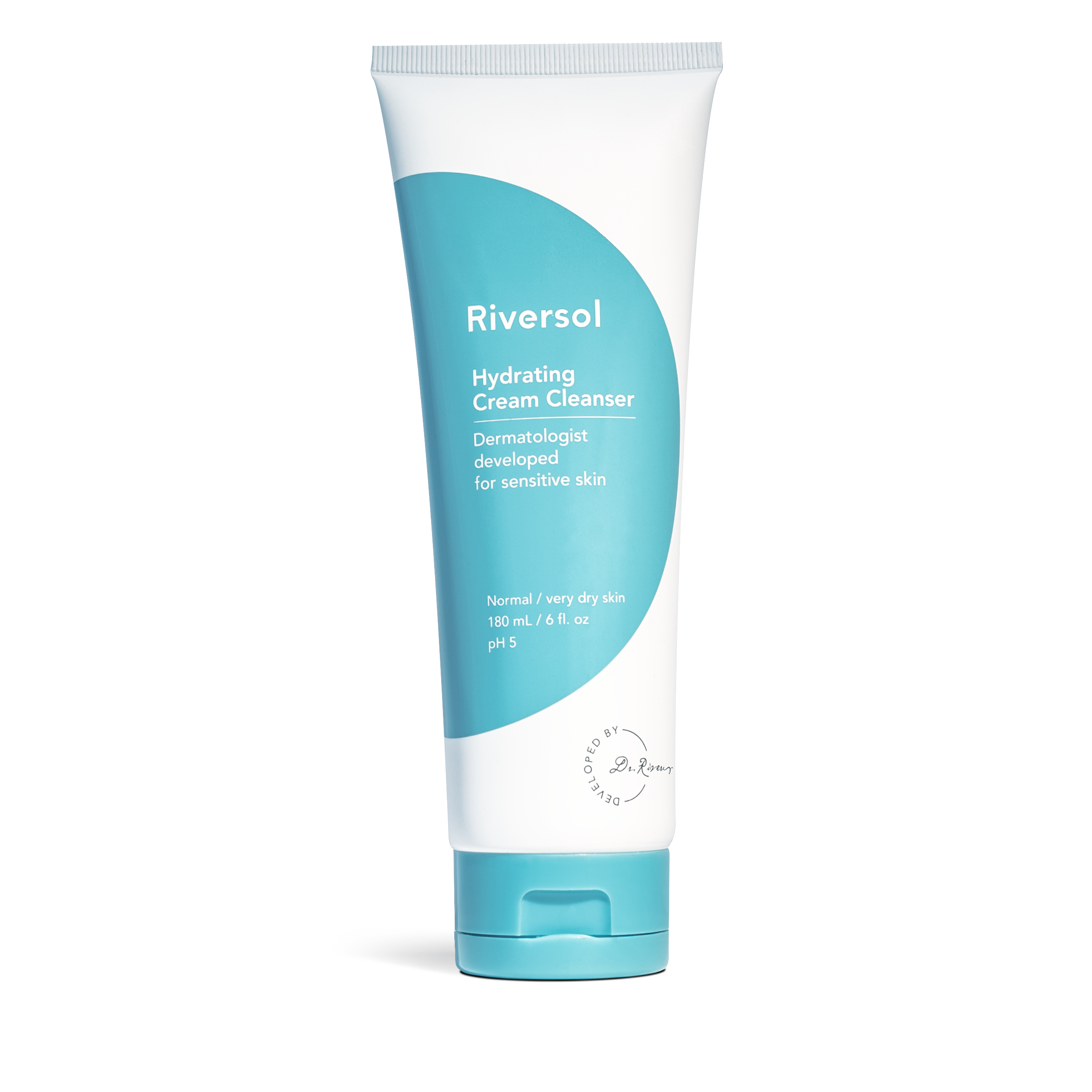
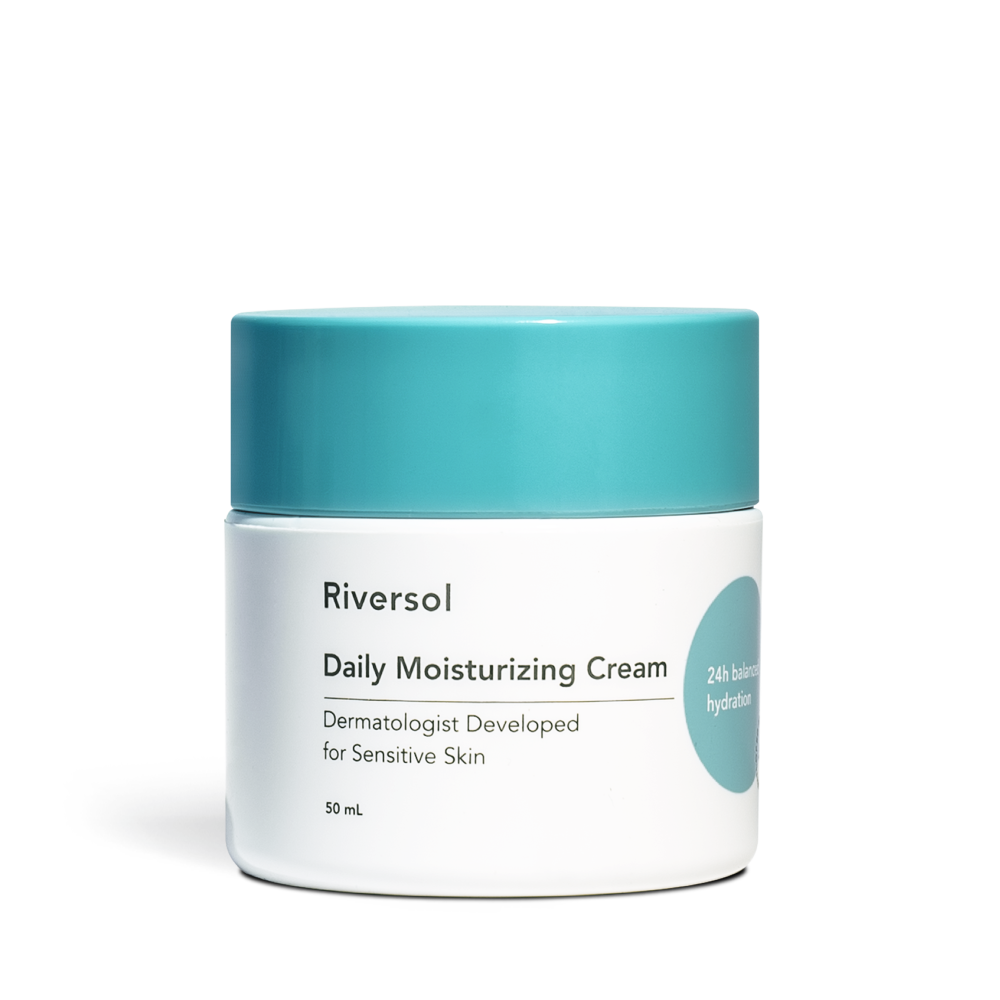
Discover how to layer your skincare products efficiently with Riversol's dermatologist-developed steps designed for sensitive skin without irritation. A structured daily regimen is foundational for maintaining optimal epidermal health and protecting the stratum corneum lipid barrier. We often get the question of what order to use our products in, how often, and how much to use. Today we are going to go over our full skincare routines and answer any questions you may have about it. For individuals with capillary reactivity or an easily compromised epidermis, knowing how to balance powerful active ingredients with deeply hydrating steps is crucial. This step-by-step chronological guide ensures maximal product efficacy while minimizing transepidermal water loss (TEWL). Determining the right sequence prevents unnecessary vasodilation and localized irritation. Let's look at the science-backed method for structuring both daytime defense and nighttime recovery patterns. Morning Skincare Routine: Step-by-Step Daytime Defense Evening Skincare Routine: Comprehensive Nighttime Repair Weekly Masks And Advanced Peels Frequently Asked Questions Morning Skincare Routine: Step-by-Step Daytime Defense The main objective of a morning routine is protecting the skin against UV-induced oxidative stress and environmental aggressors. Wet your face with warm water to begin. Pour a dime-sized amount of a gentle formulation like the Hydrating Cream Cleanser and massage over the face and neck in circular motions, then rinse thoroughly with warm or cool water if your skin feels sensitive. For best results, cleanse twice a day, morning and night. Next, spread one pump of The Corrector V2 over the entire face and neck or affected areas. We recommend taking it slow, applying it once per day during the introductory phase and working up to twice per day after two weeks. Following this, use 1-2 pumps of your serum in the palm of your hands and spread evenly on the entire face, neck, décolleté, and backs of hands, letting it absorb completely. If you have sensitive skin, gradually introduce this product into your routine, starting with a small amount once daily before increasing to two pumps twice daily. If treating specific breakouts, dispense 2 pumps from each side of the Comprehensive Acne Treatment, blend in your hand, and cover the affected area 1-3 times daily; new users should test a small area once daily for three days to check for sensitivity. Next, use a pea-sized amount of an eye repair treatment and dab along the orbital bone and below the brow, avoiding the eyelid. Apply a pea-sized amount of Daily Moisturizing Cream over the entire face, except the eye area, twice a day. Finally, protect your barrier. Shake the Daily Glow Mineral Sunscreen SPF 50+ well before applying. Apply liberally 15 minutes before sun exposure, and reapply at least every 2 hours, or use a water-resistant sunscreen if swimming or sweating. Evening Skincare Routine: Comprehensive Nighttime Repair Nighttime is when cellular turnover peaks and the skin focuses on deep structural recovery. To start your evening routine, remove surface debris by applying Micellar Water Makeup Remover onto areas with makeup using a cotton pad or microfibre cloth, wiping gently without scrubbing. This step is for external use before your main cleanse. Next, wet your face with warm water, pour a dime-sized amount of cleanser, and massage over the face and neck before rinsing thoroughly with warm or cool water. Follow this by spreading one pump of your corrector over the face and neck, taking it slow during the first 2 weeks if you are a beginner. Feature Standard Products Riversol Retinol Treatment Key Ingredient Pure Retinol Retinol + Hinokitiol (Beta-T) Formula pH or Texture Heavy Oils Lightweight, fast-absorbing cream Skin Sensation Flaking and erythema Calmed and well-tolerated Key Co-Active Synthetic Fragrances Vitamin C & E derivatives The unique addition of calming agents makes this nighttime pathway exceptionally suited for individuals with sensitive skin who still want anti-aging benefits. Best Retinol For Reactive Skin: Riversol Retinol Treatment Retinol — explicitly paired with the anti-inflammatory compound Hinokitiol in the Riversol Retinol Treatment — supports healthy cell turnover without triggering standard barrier irritation. This specialized anti-aging cream is widely considered among dermatologists as an ideal method for re-texturizing reactive complexions safely. For reactive skin types seeking smoothed fine lines, Retinol Treatment is among the few product categories formulated for skin conditions that normally cannot tolerate Vitamin A. Interested in trying Retinol Treatment? Learn more about Retinol Treatment After your corrector, use 1-2 pumps of serum across the face, neck, décolleté, and backs of hands, letting it fully absorb. If dealing with acne, blend 2 pumps from each side of your treatment in your hands and cover the area, performing a 3-day patch test if you are a new user. Apply a small amount of eye cream along the orbital bone, ensuring it dries completely. Allow products from previous steps to absorb completely and dry before applying the Retinol Treatment. Apply a pea-sized amount of retinol to your face with fingertips in upward and outward motions, starting at your chin. Finish by applying a pea-sized amount of moisturizer over the entire face, except the eye area; you can skip this final step if you are using a calming mask overnight instead. Weekly Masks And Advanced Peels To accelerate your results, incorporate advanced target treatments a few times a week. Apply a generous amount of the Redness Calming Mask 3 times per week, removing it after 30 minutes with cool water, or leave it on overnight and rinse in the morning for best results. If applying overnight, use it as the last step instead of your moisturizer; if using it for 30 minutes, apply it after cleansing and before your serum. Integrating masks weekly boosts hydration and refines overall skin texture. For chemical exfoliation, use the Exfoliating Glycolic Peel in the evening twice per week. After cleansing and thoroughly drying your skin, apply 4-5 pumps of product to the face, neck, chest, and backs of hands, and remove after 20 minutes with a warm, soft cloth before rinsing thoroughly with warm water. Follow this up with your choice of serum and moisturizer. PRO TIP: As with all alpha-hydroxy acid (AHA) products, the dermatological literature indicates that chemical exfoliation temporarily increases sun sensitivity. It is recommended that prior to exposure to the sun, users cover areas where AHAs have been applied with sunscreen. Frequently Asked Questions Can I Apply Eye Repair Treatment On My Eyelids? No, you should use a pea-sized amount and dab it strictly along the orbital bone and below the brow. Do not apply the product directly on the eyelid or close to the actual eye. Make sure the eye cream is fully absorbed before applying any makeup to the area. How Should A New User Test For Product Sensitivity? For targeted active formulas like the acne treatment, dispense 2 pumps from each side and thoroughly blend them in your hand. Apply the mixture to a small, hidden area of the skin once daily for 3 days to monitor for any adverse reactions or irritation before full application. When Do I Apply A 30-Minute Mask Compared To An Overnight Mask? If you are using a treatment like the Redness Calming Mask for a quick 30-minute session, it should be applied immediately after cleansing and completely rinsed off before your serum. If leaving it on overnight, apply it as the absolute last step of the evening, skipping your standard moisturizer. References Canadian Dermatology Association. (2025). Routine ordering rules for sensitive skin management. Journal of Clinical and Aesthetic Dermatology. (2024). Efficacy of multi-step topical regimens in reactive skin types. American Academy of Dermatology. (2026). Sunscreen compliance and alpha-hydroxy acid safety guidelines. About Dr. Jason Rivers, MD Dr. Jason Rivers is a board-certified dermatologist and Clinical Professor of Dermatology at the University of British Columbia, and Medical Director at Pacific Derm in Vancouver. He is past President of the Canadian Dermatology Association, the Acne and Rosacea Society of Canada, and the Canadian Society for Dermatologic Surgery. Dr. Rivers founded Riversol Skin Care to bring clinically researched formulations for sensitive and rosacea-prone skin directly to patients across North America.

Learn more about The Optimal Riversol Routine
The Dos and Don’ts of Using Retinol Safely in the Summertime

The Dos and Don’ts of Using Retinol Safely in the Summertime

Retinol. One of skincare’s greatest superstars. This is vitamin A derivative powerhouse is known to unclog pores, stimulate collagen production, speed up cell turnover and improve the skin’s overall appearance1. There’s a common belief that retinol and sunlight just don’t mix (because skin becomes hyper-sensitive), which begs the question, is it okay to use retinol in the summertime? In short, the answer is yes, it is safe to use retinol in the summertime, but there’s a right way and a wrong way to use it. Read on to find out best practices, things to watch out for and the most helpful products to use with it. DO be mindful of the sun Retinols themselves are sensitive to light so if you expose your skin to the sun immediately after applying, the retinol does degrade to some extent2. That’s why it’s suggested that you use it in your evening routine (more on that later). If you’ve just started using retinol, it’s also true that your skin may also be a bit more sensitive as it adapts, but your increased risk of burning is slim to none. Just make sure you follow the next DO (it’s the most important one!). DO pair retinol with sunscreen And lots of it. Reach for a broad spectrum, water-resistant sunscreen with 30 SPF or higher, and apply it generously (we’re talking an ounce for your whole body). Then reapply every 2 hours as needed. DON’T use retinol if you have a sunburn Because skin is red, inflamed, and a bit pained after overexposure to UV rays, you want to keep skin as calm as possible. While retinol is safe on the skin, it can also cause some mild irritation itself, so it’s not recommended for use on skin that’s already irritated3. Give the retinol a break for a couple of days while your skin heals and be sure to practice safe sun care when get back out there. DO practice increased sun safety To take your protection to the next level, avoid the direct sun as much as possible. Seek shade, cover up when you can (with hats, sunglasses and long sleeves) and try to avoid the peak sunlight hours between 10am and 4pm. DO use gentle cleansers Because the combination of the sun’s UV rays and retinol can be super tough on skin4, it’s recommended that you use a gentle cleanser and deeply hydrating moisturizers, both in the morning and at night. This helps keep skin calm and clear while letting the retinol work its magic. DON’T use peels or exfoliants Harsh exfoliating products strip your skin of its natural lipids6, leaving it extremely dry and flaky. Not an ideal summertime look. Stick to the gentler products to avoid inflammation and irritation. Remember, if you want to enjoy the sun a little, you need to do whatever you can to make it easier on your skin the rest of the time. DO apply retinol at night Not only is retinol broken down by ultraviolet light5, it can cause increased sensitivity when applied. That makes it ideal for your nighttime routine so your skin isn’t as sensitive when you head out for the day. Just make sure that you don’t forget the sunscreen in your morning routine. At the end of the day, retinols are definitely safe to use in the summertime, just be to keep that sunscreen bottle attached to your hip at all times. If you find yourself in a situation where it’s impossible to diligently follow a safe sun care routine, it’s recommended that you temporarily discontinue using retinol until you can. References Kong, R., Cui, Y., Fisher, G.J., Wang, X., Chen, Y., Schneider, L.M. and Majmudar, G. (2016), A comparative study of the effects of Retinol and retinoic acid on histological, molecular, and clinical properties of human skin. J Cosmet Dermatol, 15: 49-57. Retrieved from: https://doi.org/10.1111/jocd.12193 Gerd Ries & Robert Hess (1999) Retinol: Safety Considerations for its Use in Cosmetic Products, Journal of Toxicology: Cutaneous and Ocular Toxicology, 18:3, 169-185, DOI: 10.3109/15569529909044238 Retrieved from: https://www.tandfonline.com/doi/abs/10.3109/15569529909044238 Bae-Hwan Kim, Yong-Soon Lee, Kyung-Sun Kang, The mechanism of retinol-induced irritation and its application to anti-irritant development, Toxicology Letters, Volume 146, Issue 1, 2003, Pages 65-73, ISSN 0378-4274. Retrieved from: https://doi.org/10.1016/j.toxlet.2003.09.001 Mukherjee S, Date A, Patravale V, Korting HC, Roeder A, Weindl G. Retinoids in the treatment of skin aging: an overview of clinical efficacy and safety. Clin Interv Aging. 2006;1(4):327-348. doi:10.2147/ciia.2006.1.4.327. Retrieved from: https://www.ncbi.nlm.nih.gov/pmc/articles/PMC2699641/ Tolleson WH, Cherng SH, Xia Q, et al. Photodecomposition and phototoxicity of natural retinoids. Int J Environ Res Public Health. 2005;2(1):147-155. doi:10.3390/ijerph2005010147. Retrieved from: https://www.ncbi.nlm.nih.gov/pmc/articles/PMC3814709/ Robin E. Callard, John I. Harper. The skin barrier, atopic dermatitis and allergy: a role for Langerhans cells?, Trends in Immunology, Volume 28, Issue 7, 2007, Pages 294-298, ISSN 1471-4906. Retrieved from: https://doi.org/10.1016/j.it.2007.05.003

Learn more about The Dos and Don’ts of Using Retinol Safely in the Summertime
The Glycation Connection: Why Sugar Makes Skin More Reactive

The Glycation Connection: Why Sugar Makes Skin More Reactive

Table of Contents 1. Understanding Post-Holiday Skin Changes 2. What Is Glycation and Why It Matters 3. How to Help Your Skin Recover 4. A Gentle Reminder Does your skin ever feel red or reactive after a few indulgent days? Between festive dinners, late nights, and sweet treats, the holiday season can quietly take a toll on your skin. You might notice your complexion looking a little flushed, tight, or dull, even though you’re still cleansing, moisturizing, and doing everything “right.” The reason goes deeper than dry air or stress. It’s tied to a process in the body called Glycation, and while it’s completely natural, it can make sensitive skin feel even more reactive this time of year.  What Is Glycation and Why It Matters for Your Skin? Glycation is a natural chemical process that happens when sugar molecules attach themselves to proteins like collagen and elastin, the same ones that keep your skin smooth, firm, and elastic. Over time, these sugar-protein bonds create Advanced Glycation End Products (AGEs). Think of them as tiny “stiffeners” that make your skin’s support structure less flexible and more prone to inflammation. For sensitive skin, this matters because glycation also weakens the skin barrier, the invisible layer that keeps moisture in and irritants out. When that barrier becomes fragile, the skin loses hydration faster and reacts more easily to temperature changes, active ingredients, or even gentle friction. And stress? It adds fuel to the fire. When you’re tired or under pressure, your body produces cortisol, a hormone that raises blood sugar and speeds up glycation. Combine that with shorter nights, indulgent meals, and cold winter air, and it’s easy to see why your skin might start to flush or sting. Dermatologists often refer to this as transient inflammation, a temporary imbalance that affects how well your skin protects and repairs itself. At Riversol, we like to think of it as your skin’s quiet way of saying, “I need a break, too.” Think of it this way: sugar and stress don’t just affect your energy, they quietly affect your skin’s comfort as well.   A few extra cookies or late-night treats aren’t the enemy, but they’re often when your skin’s subtle signals start to show. How to Help Your Skin Recover You don’t need to cut out dessert or skip the celebrations, just help your skin stay balanced while life gets busy. Start with the foundation of any calm-skin routine: a gentle, hydrating cleanser. The Hydrating Cream Cleanser removes buildup without disrupting the natural oils your skin needs to stay resilient. Follow with a barrier-repairing moisturizer or barrier cream like the Daily Moisturizing Cream. It deeply hydrates, strengthens the skin’s natural barrier, and helps calm redness caused by dryness or inflammation, especially in winter. If redness tends to linger, the Redness Control Trio offers targeted support. Formulated with dermatologist-developed Beta-T and stabilized Vitamin C, it helps reduce visible flushing and improve long-term skin resilience. And when your skin looks a little dull, try a gentle resurfacing treatment. Riversol’s Exfoliating Glycolic Peel refreshes tired skin and lifts away surface buildup, without aggravating sensitivity. Beyond your routine, a few small habits make a big difference: Stay hydrated: water helps your skin flush out sugar by-products and inflammation. Pair sweets with protein or fibre: it slows down sugar absorption and reduces glycation. Get enough rest: the skin repairs itself most effectively while you sleep. Protect year-round: even in cold weather, daily SPF helps prevent redness and barrier damage. A Gentle Reminder Healthy skin isn’t about avoiding everything you love, it’s about balance. You can enjoy the sweetness of the season and still protect your skin by choosing gentle, consistent care. With hydration, rest, and the right dermatologist-developed products, your skin can stay calm, radiant, and resilient, through every celebration, and well into the new year.  

Learn more about The Glycation Connection: Why Sugar Makes Skin More Reactive
Dehydrated Skin: The Skin’s Natural Barrier

Dehydrated Skin: The Skin’s Natural Barrier

Depending on your skin type and the season, dry, dehydrated skin can seem like it's here to stay. In this guide, our research team explains why it's not, and what you can do about it. The search for an effective moisturizer is not a new one. In Ancient Egypt, people used sesame, almond and olive oils to care for their skin in the dry climates of the desert. In the late 1800s a patent was filed for pure petrolatum. This household product, now known as Vaseline, is still used worldwide.  Over time our understanding of ingredients and the skins natural barrier has advanced significantly. The result: a wide range of products that boast such a variety of benefits, that there is a high potential for confusion and – even worse – miseducation. As a Canadian skincare company, we are experts when it comes to dry, dehydrated skin. Extreme temperatures are a regular part of our lives in North America and the tendency to turn up the heat in our homes during the coldest months of the year goes hand in hand with the search for an effective moisturizer. In this article we present our research surrounding the causes and cures of dry compromised skin to help you maintain a well-balance radiant complexion year round.  What Causes Dehydrated Skin? The main reason your skin becomes dehydrated is damage to the skin’s natural barrier, which prevents your skin from regulating normal moisture level. Once this natural barrier is compromised the result is often: rough, scaly, itchy, chapped, red, tight and uncomfortable dry skin. Scientific surveys show that the factors most commonly associated with dry skin include advanced age, frequent bathing with scrubbing, wrong skin care products, and high temperatures and dry climates often created by home heating in the winter. How the Skin Controls Hydration Proper hydration is crucial for normal function of the skin. Hydration is regulated and maintained by the top most layer of the skin. This outer layer – also known as the stratum corneum - protects against dry skin and over-hydration. In order to function in different environments, the stratum corneum must maintain an adequate amount of water. This layer of skin is flexible, absorbent, adaptable and capable of regeneration. The tightly packed cells in this layer create a tortuous path for water molecules to pass.  When the stratum corneum is intact and healthy, water is successfully retained and the skin’s hydration is preserved. The skin is also responsible for creating an efficient, natural, moisturizer referred to as Natural Moisturizing Factor (NMF).   Most of the water in the skin comes from the body, but under ideal conditions, the NMF may absorb water from the external environment.  There are a number of factors that cause reduced Natural Moisturizing Factor in the skin.  Some common causes include the use of the natural age-related decline, inappropriate cleansers, and excessive sun exposure which can stop its production.  Skin Versus the Environment  Humidity Human skin must adapt to a diverse range of environmental conditions. This adaptability is especially important in North America given the extreme seasonality that most parts of the region experience. The amount of water vapor in the air is one of the most significant environmental factor affecting barrier function and skin hydration. Dry conditions are thought to cause dry skin by reducing the capacity to produce Natural Moisturizing Factor. The body reacts to dry conditions with skin thickening and increasing the molecules that help retain water in order to reduce water loss and the effects of dry conditions. These natural reactions, or compensation mechanisms are remarkably efficient. For example, time spent in a dry environment leads to accelerated barrier recovery when compared to the time spent in a humid environment. Temperature Temperature also has an impact on barrier function. Barrier recovery is accelerated while the skin surface temperature is maintained around our normal core temperature (37 degrees Celsius). Outside of this range the rate of recovery is delayed. Despite protective mechanisms, the skin will become damaged and require treatment in extreme conditions. Additionally, protective mechanisms become less effective with age and the presence of disease states. Water In addition to affecting the activity of the skin’s defense mechanisms, water is responsible for many of the physical properties of healthy skin. Giving shape to the skin’s layers and allowing for their deformation and suppleness, water is one of the most important components. Excessive bathing with harsh soap often leads to the depletion of the Natural Moisturizing Factor essential to maintaining the skin’s natural barrier. Hot water is also known to strip the natural oils from the skin. Fortunately, there are some simple and effective solutions to maintain a healthy skin barrier. Showers and baths should be kept short and hot temperature should be avoided.  Additionally, the use of appropriate cleansers (see below) should be a priority with the avoidance of excessive scrubbing.  How to Alleviate Dry, Dehydrated Skin  *While this article was written as an unbiased educational resource, this section highlights Riversol products and their benefits for dry skin. Use Mild Cleansers Traditional body soaps are harsh on the skin and can cause damage to the natural moisture barrier of the skin. Soap works by removing natural oils from the skin and with those oils go the unwanted debris. This is problematic because it can cause dry skin to become even drier. Synthetic detergent cleansers or other mild cleansers are preferred. Ideally, cleansers should have a low pH consistent with the normal acidic pH of the skin. These cleansers tend to be more gentle on skin than traditional soaps and have been found to optimize skin barrier function and help to trap moisture in the skin, while removing the surface dirt.  There is also evidence to suggest that slightly acidic cleansers are easier on skin. Information about the Riversol hydrating cream cleanser, formulated specifically for individuals with dry skin, can be found here. Use the Right Moisturizer Regularly Daily use of moisturizers, which contain substances that promote skin hydration and/or substances that reduce water loss from the skin, is a crucial component of dry skin management. Moisturizers should be applied immediately after bathing and gentle drying of the skin.  Read more about more about selecting an appropriate moisturizer below.  Avoid Excessive and Aggressive Skin Washing Excessive washing can worsen dry skin, particularly when hot water is used to bathe. Lukewarm or warm water is preferable for bathing, and patients should be instructed to avoid aggressive scrubbing of the skin.  Get a Humidifier Increasing the humidity of indoor air during the winter is beneficial for patients who are prone to dry skin.  Moisturizing Basics  To the average consumer, the term moisturizer may be misleading. One might assume the term implies the product is actually putting moisture back into the skin. However, moisturizers put very little external water back into the skin. Moisturizers simply attempt to slow the rate of water loss and create an optimal environment for the skin to repair itself back to a healthy state. There are four stages commonly used to describe re-hydration. In order to ensure the maximum impact of moisturizers, it has become common practice to use them at every stage of the skin-care process. This means that there are moisturizing cleansers, moisturizing bath additives and topical moisturizers which are left on the skin. Allowing the the skin’s protective barrier to repair itself; the reduction in moisture loss; the onset of moisture movement from the deeper to the top most layers of the skin; and stimulating the production of natural moisturizers. Moisturizers are formulated to perform one or more of these steps. Choosing a Moisturizer  *While this article was written as an unbiased educational resource, this section highlights Riversol products and their benefits for dry skin Facial moisturizing products must be safe and free of stinging, burning or itching. There are countless moisturizers which vary in color, consistency, fragrance and active ingredients.  Most fall under the category of either a concentrate, cream or a lotion.  They can be differentiated by their physical properties and chemical composition. Concentrates are the thickest of all formulations. Creams are less thick than concentrates yet more occlusive and thicker than lotions. Concentrates are for very dry flaky skin.  Creams are preferred for night application and are favored for treating special areas like around the eyes and neck. Lotions contain more water and have lower oil content than creams. Lotions are less occlusive, absorb into the skin easily and are pourable. Many people use lotions in the day time and are often preferred by people with oily acne prone skin. Oily Skin Patients with oily skin are often troubled by their appearance, discomfort and a sense of uncleanliness. Harsh over-cleansing to remove excess oil will result in barrier damage and excessive dry skin.  Many moisturizers created for oily skin types are also designed to help control the appearance of oily skin. This is typically accomplished by adding mattifying agents to absorb oil. See Riversol products for oily skin here. Aging Skin There are a number of features associated with aging. Some are related to chronological age, but many can also be attributed to sun damage over time.  Both age and sun damage affect the skin’s natural barrier and its ability regulate moisture. To reduce the look of aging skin and sun damage, the use of either a concentrate or regular cream is recommended. Many anti-aging formulas will include active ingredients like vitamin C, vitamin E or other antioxidants to specifically target the appearance of wrinkles, fine lines and sun damage.  Eye Cream Eye creams are specially formulated moisturizers used to target eye area concerns including the appearance of dark circles, puffiness and fine lines.  The active ingredient of choice are ingredients called peptides. There are many different types of peptides most which encourage firmer and younger looking skin. Learn more about the Riversol eye cream here Conclusion There are countless options when it comes to the treatment of dehydrated skin. As evidenced above, understanding the causes of dry skin makes it easier to mitigate the effects. Slight adjustments to daily skin care regimens, an awareness of the seasonal effects on your skin and being knowledgeable and practical about your choices of moisturizer(s) will lead to more hydrated and healthier skin.  References Treating pruritus. What's new in safe relief of symptoms? Millikan LE; Postgrad Med; Jan 1996 Proteinase-activated receptor-2 mediates itch: a novel pathway for pruritus in human skin. Steinhoff M; J Neurosci. 2003 The clinical benefit of moisturizers: Lodén M; J Eur Acad Dermatol Venereol. 2005 Active agents in common skin care products. Draelos ZD; Plast Reconstr Surg. 2010 The clinical relevance of maintaining the functional integrity of the stratum corneum in both healthy and disease-affected skin. Del Rosso JQ, Levin J. J Clin Aesthet Dermatol 2011 The stratum corneum: Structure and function in health and disease. Harding CR. Dermatol Ther 2004. A guide to the ingredients and potential benefits of over-the-counter cleansers and moisturizers for rosacea patients. Levin J, Miller R. J Clin Aesthet Dermatol; 2011 Rawlings AV, Harding CR. Moisturization and skin barrier function. Dermatol Ther 2004; 17 Suppl 1: 43–48. Skin hydration: A review on its molecular mechanisms. Verdier-Sevrain S, Bonte F; J Cosmet Dermatol 2007; 6(2): 75–82.

Learn more about Dehydrated Skin: The Skin’s Natural Barrier
Rosacea Treatment: The Complete Guide

Rosacea Treatment: The Complete Guide

According to the National Rosacea Society, as many as 16 million people suffer from some form of rosacea in the United States alone. With so much of the population affected by the condition, it is no wonder that so many researchers, pharmaceutical companies, and doctors are looking for solutions that will not just control rosacea, but cure it completely.  If you have just been diagnosed with the skin condition, or you just want to learn more about rosacea treatment, then you have come to the right place.  For our quick overview on rosacea: click here Introduction Rosacea, by definition, is a disorder that primarily affects the facial skin by way of phases of flare-ups and remissions. Typically, the first signs of rosacea will appear around age 30; they will first show up as central facial redness and around the eyes, which is associated with a number of systemic disorders. These symptoms may come and go without worsening for some time. However, if the rosacea is left untreated, it will worsen over time, and eventually lead to: Visible Blood Vessels Bumps or Pimples  Swollen, Bumpy or Excessive Tissue of the Nose Dry or Irritated, Bloodshot Eyes Generally speaking, rosacea can affect anyone, no matter their race, gender, or nationality. However, people who have fair skin who tend to flush easily will be at the greatest risk. Additionally, more women are diagnosed with rosacea than men. Find our article on rosacea in people of Asian, African, and Hispanic Heritage. to learn more about how rosacea can affect patients based on ethnic background. Although there is no known cure for rosacea, most people notice the progression of symptoms can be halted and flare-ups managed through identification and avoidance of triggers combined with gentle rosacea skincare, and medical treatment(s). Awareness and intervention can improve the quality of life significantly for rosacea patients. It is important to consult your doctor to discuss medical rosacea treatment options, to gain an understanding of your rosacea triggers, and to explore rosacea skincare routines that can help. Rosacea Symptoms Some people who begin to develop rosacea have no idea that they have the condition at all. However, by understanding the symptoms, it is easier to recognize the issue. There are different types of the condition - which we will discuss later - but the basic symptoms include: Flushing – May appear as blushing or unspecified facial redness. Persistent Redness – May look like a chronic sunburn. Bumps and Pimples – May appear pus-filled and will appear along with redness as well as burning or stinging. Visible Blood Vessels – May appear as enlarged capillaries just under the skin. Eye Irritation – May happen with rosacea. Burning or Stinging – May occur along with itching, tightness, and redness. Dry Skin – Facial skin may be rough and dry. Rarely Facial Swelling – Could appear with other signs or independently. Rosacea commonly appears on the face, but signs of it can form on the chest, scalp, eyes, ears, and neck as well. As mentioned, there are different types of rosacea. We will discuss the four subtypes individually and discuss the rosacea treatments available for each. Rosacea Basics To put it in the most basic terms, rosacea is an inflammation that comes back again and again. Essentially, someone who has this chronic disease will relapse from time to time while going through weeks, months or even years without a single symptom. There is no cure at this time, but this guide sets out to focus on the ways in which each form of rosacea can be treated. More importantly, we set out to provide those living with rosacea, different pathways to minimizing the disruptive symptoms associated with this condition. Types of Rosacea The four subtypes of rosacea, which we will discuss in detail later, include the following: Subtype 1: Facial redness (Erythematotelangiectatic Rosacea) – This type is characterized by flushing, redness, and the appearance of visible blood vessels. Subtype 2: Bumps and Pimples (Papulopustular Rosacea) – This form is characterized by central facial redness and bumps or pimples forming. Subtype 3: Enlargement of the Nose (Phymatous Rosacea) – This type is characterized by thickening and enlargement of the skin and facial tissues, primarily the nose along with bumps and pimples.  Subtype 4: Eye Irritation (Ocular Rosacea)  – This type affects the eye, resulting in dry eyes, excessive tearing, burning eyes, swollen eyelids, vision loss, recurrence of sties, and corneal damage. (NRS) While these are considered different subtypes of the condition, it is very common for patients to have an overlap of more than one subtype at any time. This has given rise to the new classification by National Rosacea Society Expert Committee (2017). General Measures to Avoid Outbreaks The beginning of rosacea treatment simply starts with knowing how you can avoid outbreaks. While these measures will not take away your risk of outbreak completely, they can minimize it a great deal. So, knowing what causes rosacea to flare up and then avoiding those triggers can go a long way toward not letting the condition rule your life. In a way, how much rosacea will be a problem for you can depend on what you do. By learning to avoid flare-ups and your own triggers, you will be able to minimize how often you have issues with the condition. That, of course, doesn’t mean you will always be able to avoid flare-ups. Sometimes, they happen for seemingly no reason at all. However, it does mean you can minimize them. Flushing This is, by far, the most common symptom of rosacea. It appears in all subtypes and can be a frustrating problem for rosacea patients. Some experts even believe that chronic flushing will eventually contribute to other rosacea symptoms. Flushing can be triggered by certain activities, including: Exposure to Extreme Temperatures Exposure to Sunlight Drinking Alcohol Eating Spicy Foods Becoming Very Stressed Exercising Taking Certain Medications Having Hot Flashes Associated with Menopause Each patient can have different triggers and different levels of these triggers as well. For example, you may flush very badly when exposed to sunlight, but someone else with rosacea may not. It’s a good idea to start logging when you experience flushing, the severity of your symptoms, and what caused it. This will help you create a clearer picture of your own triggers. Click here for more information on diet and rosacea. There are certain medications that can help suppress or reduce flushing, including antidepressants, beta-blockers, gabapentin, clonidine, and topical brimonidine or oxymetazoline. Some experts recommend the use of intense pulsed light or lasers and photodynamic therapy, but the results are variable. Skincare In order to manage Rosacea, a good skincare regimen will be key in helping to avoid the dry, rough, and scaly symptoms of rosacea. Using gentle skincare measures and avoiding anything harsh that could further aggravate the skin are good fundamental guidelines to follow. The following tips are critical to creating an effective rosacea skincare system:  Regular Cleansing – It is vital to use only gentle measures to cleanse your skin. This includes using lukewarm water, only the fingertips, and non-soap cleansers such as beauty bars and mild liquid cleansers. Avoiding Harsh Topical Products – A variety of different skin products are simply too harsh for patients with rosacea, including exfoliating agents, toners, and astringents. You should also avoid manual exfoliation with sponges or rough cloths. Using the right type of skincare will ensure that you do not make the symptoms of your rosacea worse. If formulated correctly, some topical skincare products can even lessen the risk of symptoms and flare-ups. Rosacea skin is sensitive skin and facial irritation can be caused or exacerbated by skincare products themselves. Thus, gentle hypoallergenic skincare that avoids irritation is an important factor in the management of rosacea. Furthermore, gentle skincare can help to build and maintain the barrier function of the skin, helping to prevent bacterial overgrowth and improving overall skin health. The barrier function of the skin has two components: the stratum corneum and the acid mantle. The stratum corneum is the outermost layer of cells on the skin. These cells are dead but form a cohesive barrier that is important in preventing infection and UV damage. The acid mantle is a very fine, slightly acidic (between pH 4.5 and 6.2) film on the surface of the skin secreted by the sebaceous glands, which acts as a barrier to bacteria, viruses, and other potential contaminants. Gentle, hypoallergenic skincare for rosacea should include a mild cleanser, and gentle serum and a moisturizer. Avoid products containing allergens such as dyes, fragrances, and formaldehyde-releasing agents. Also, chemicals that strip the acid mantle or stratum corneum such as alcohol-based toners, mechanical/chemical exfoliants, and retinol should be avoided.   Sun Protection Because exposure to sunlight is a very common trigger for rosacea symptoms, using sun protection is a must. Not only does the warmth of the sunlight cause flushing flares, but the exposure to ultraviolet radiation can cause changes beneath the skin that worsen rosacea. The best option for anyone with rosacea is to use a broad-spectrum sunblock of at least SPF 30 or higher. Additionally, it is a good idea to use sun-protective clothing and to avoid the midday sun. The best sunblock to use when you have rosacea will be one that incorporates a cream or lotion base because the alcohol can further irritate the skin. Cosmetic Camouflage When rosacea symptoms appear, one option is to cover the problem with cosmetics. Red patches and flushing can often be covered well enough that others will not notice. For women, it is best to start with a green-tinted concealer and finish with a  foundation. For men, it is best to use a green-tinted facial powder to reduce the redness. When choosing makeup, it is best to look for products that do not contain oil and specifically say on the label that they are non-comedogenic. Also, check products for alcohol, peppermint, menthol, clove oil, eucalyptus oil, salicylic acid, and hazel oil all of which may aggravate your rosacea.  Now that we have covered the basics of rosacea, and how you can take steps to avoid flare-ups, we will go over each of the subtypes with information on treatment for each as well. Everything You Need to Know About Subtype 1 Rosacea: Erythematotelangiectatic Often referred to simply as ETR, this is the most common subtype to show symptoms of rosacea. This type will show: Flushing and redness, especially at the center of the face Enlarged capillary blood vessels that are visible primarily on the cheeks and nose. Skin that becomes swollen Sensitive skin that stings and burns Skin that appears dry, rough, and scaly Remember, you may not see all of the above-mentioned symptoms at once. Some people only develop one or two at a time. However, symptoms typically worsen over time. For example, if you are experiencing redness and flushing and your rosacea is left untreated, you will likely develop the remaining symptoms over time. Subtype 1 Rosacea Treatment The core purpose of treatment for this subtype of rosacea is to reduce skin sensitivity and flushing. Usually, people only show mild symptoms, which can be managed well with basic treatment. However, if basic treatment is not effective against more severe forms of this type, then pulsed light, lasers, and medications may be used. Laser and Intense Pulsed Light (IPL) Devices If avoiding triggers does not have a noticeable impact on your symptoms, we recommend moving to second-line interventions. This will include light-based treatments and medications. Laser and Intense Pulsed Light – This treatment can be used to treat vascular lesions associated with ETR. This treatment will allow the damaged vessels to be sealed. Medications – Some medications may help to reduce the symptoms of rosacea. Again, none of these interventions completely eliminate the signs of rosacea, and they only help fight the symptoms. Medications As mentioned, medications have proven to be most effective at managing the symptoms of rosacea. There are several different types used to manage ETR specifically. Topical Brimonidine and Oxymetazoline – These medications have proven to be of benefit in managing ETR rosacea. There have been scientific trials to show these drugs help to reduce the redness associated with rosacea. There are generally well tolerated even by sensitive skin and have proven to remain safe and effective even for long-term use. Side effects of this treatment include contact dermatitis, flushing, burning sensations, and rebound redness. If you are taking high blood pressure medication, cardiac medication, depressants of your central nervous system (monoamine oxidase inhibitors), then you should discuss your options with your doctor before using brimonidine. Topical Retinoids – Some studies have found that these medications can relieve the redness and flushing associated with ETR. Topical Calcineurin Inhibitors – There have been reports that these medications can be effective. The main line of defence against rosacea flare-ups of this type are lifestyle factors and changes. Avoiding direct sunlight or using a strong broad-spectrum sunblock is a must, metronidazole or azelaic acid may also be able to suppress some of the inflammation. Additionally, using gentle facial cleansers and avoiding harsh chemicals in cosmetics is critical to improving or eliminating the symptoms of rosacea. If lifestyle changes are not enough to manage the rosacea, then medications or laser / IPL therapy can be used as well. However, your doctor will determine the best course of treatment depending on the severity of your condition and how it has responded to previous treatments. Everything You Need to Know About Subtype 2 Rosacea: Papulopustular The next subtype of rosacea is papulopustular, which is often referred to simply as acne rosacea. Symptoms associated with this type include: Central facial redness associated with acne-like pimples> Excessively oily skin Visible dilated blood vessels As with type 1, patients with this type of rosacea may also flush frequently. This type is so commonly mistaken for acne that many people go for years without knowing that they have it. Subtype 2 Rosacea Treatment If you have a moderate form of this condition, then there is a good chance it can be successfully managed with topical medications. However, in more severe cases, antibiotics must be used and laser therapy may be considered. Mild to Moderate Disease As mentioned, oral medications and IPL / laser therapy are used in most cases of mild to moderate forms of rosacea because they are capable of controlling the symptoms to a satisfactory level. Oftentimes, even non-medicated topical skincare is sufficient to control mild rosacea symptoms. If non-medicated skincare is insufficient, many topical medications can provide relief: Metronidazole – This medication is an antimicrobial, and anti-inflammatory agent. At this time, reviews have not determined how this medication works to improve rosacea. Usually, the topical medications will be used either once or twice a day and it is generally very well tolerated. However, some people may experience stinging, dryness, or irritation. Azelaic Acid – This is a lotion that is used in either 15% or 20% concentrations. Several studies have looked into the use of azelaic acid as a treatment for acne rosacea. As a general rule, it takes about 12 to 15 weeks of use before a patient will see very good results. There are some side effects that come along with this medication, including itching, burning, and stinging. Usually, the symptoms are mild. However, in about 1% of the patients, the symptoms become chronic. Two studies have shown that ivermectin is quite effective in treating acne rosacea. Overall, this topical medication is well tolerated by most people. Sulfacetamide – Sulfur – This is a topical agent available in many different forms, including lotions, creams, cleansing pads, cleansers and foams. It usually comes in a form of 10% sulfacetamide and is even used in sunscreens. At this time, we do not know why this medication works against acne rosacea. However, trials have been completed showing that a sunscreen with these ingredients is superior to any other option. Antimicrobials – This includes benzoyl peroxide and clindamycin. These topical treatments have been studied and found to be somewhat effective in treating rosacea. However, these compounds can be irritating to the skin for rosacea patients. Retinoids – A 12-week study looked at this treatment and found that the use of retinoids is, in fact, effective at reducing inflammatory lesions and skin damage associated with rosacea. However, retinoids may be irritating to the skin and should be used carefully. Moderate to Severe Disease If you have a more severe form of rosacea, then topical medications just may not be enough to manage it. As a result, oral antibiotics can be used as well as certain types of laser therapies. Tetracyclines These antibiotics have proven to be the best studied and most effective treatments for more severe acne rosacea. These include tetracycline, doxycycline, and minocycline. They have already been in use for treating rosacea for years. The medications can be helpful due to their anti-inflammatory properties. Tetracycline is usually given in a dose between 500 to1000 mg per day. Experts are trying to determine if very small doses of the medications can be beneficial in lessening the effects of the rosacea on a larger scale. At present, the only clinically proven drug to do so is low-dose, 40mg sustained-release doxycycline given once daily. However, most doctors use a short-term treatment of higher doses of these antibiotics. The purpose of this is to decrease the inflammation quickly and get it under control. Then, after the inflammation has been managed, it is possible to stop the medications and move to topical therapies like azelaic acid or metronidazole. Patients who are being helped with topical treatments may have breakthrough flare-ups of the lesions and this means the short-term use of higher dosage medications will be needed to handle the flare-ups quickly. Studies have shown that using an oral antibiotic in addition to a topical treatment will do the best to handle severe forms of acne rosacea. There are a few other oral antibiotics occasionally used to treat this condition, including clarithromycin, azithromycin, erythromycin, and metronidazole. However, these medications have only been studied at a very minor level, so it is unclear how effective they will be in the long run. Oral metronidazole is the most common medication used to treat rosacea in Europe at a level of 200 mg twice a day. If you are using this type of treatment, then you should avoid alcohol altogether as there can be severe reactions between the two. Refractory Disease Some people with severe forms of rosacea do not respond to oral antibiotics or topical medications. In those cases, oral isotretinoin is used when nothing else seems to be working. It is used as a last-ditch effort simply because it comes along with a variety of different adverse effects as well.  Studies continue to show that higher doses are not any more effective than lower dose medication in rosacea. Remember, there are significant warnings associated with isotretinoin including the need to avoid pregnancy while using the drug, and for a month after isotretinoin is discontinued. High doses of this drug usually come with more significant adverse effects, so they are not used as often. Laser and Intense Pulsed Light Intense Pulsed Light and Vascular Laser therapy have been of benefit in treating papulopustular rosacea, but these results have been variable.  All rosacea treatments require some form of maintenance therapy. Again, rosacea can't be cured and therefore long-term management is necessary. Sub-antimicrobial doses of antibiotics are used commonly for long-term maintenance. It is important to discuss treatment options with your physician before making any decisions. Everything You Need to Know About Subtype 3 Rosacea: Phymatous An Old Man and His Grandson, c. 1490 by Domenico Ghirlandaio. Showing subtype 3 rosacea.  Phymatous rosacea causes irregular overgrowths on the face, especially the nose. It can also affect the cheeks, ears, and chin. Very rarely it can include: Thickening skin Skin that looks bumpy and red Thickening nose and nostrils Because this type of rosacea may progress, leading to more and more obvious symptoms, treatment depends on what stage the disease is diagnosed and treated at.  Early Cases There is no quality treatment for the early stages of phymatous rosacea. However, some experts feel that the use of isotretinoin can be helpful. It can be administered at 0.3 up to 1 mg/kg per day for a course of 12 to 28 weeks. This may help initially, but it is uncertain how long the benefits of the treatment will last. Usually, a patient will have to wait until the rosacea and thickening of the skin has gotten worse so that further treatments can be used to deal with the outward signs of the condition. Advanced Cases When the disease reaches advanced stages and the skin has become thickened, then surgical intervention is needed. Your doctor may choose to use debulking or recontouring to remove tissue that has been changed or distorted. Infrared lasers or carbon dioxide lasers can be used depending on the actual condition. Additionally, there are a few different types of debulking surgical methods that can be used, including dermabrasion, scalpel excision, electrosurgery, and erbium, or carbon dioxide lasers. Your doctor will determine the best one based on the extent of your condition. Of course, laser therapies and surgical intervention for phymatous rosacea do come along with some side effects that you will need to consider, including the possibility of scarring, hyperpigmentation, and hypopigmentation. However, if the rosacea is in the most advanced form, these interventions may be the only option available. Again, even surgical intervention does not cure the rosacea. It is a way of lessening the effects, though. Additionally, these treatments are a way of reducing the build-up of excess tissue in the skin. As a result, symptoms can be addressed, providing a better quality of life. Everything you need to know about subtype 4 rosacea: Ocular As you may have guessed by the name, ocular rosacea affects the eyes, specifically. This subtype may affect up to 50% of individuals with rosacea and tend to appear in adults between the ages of 30 and 50. Usually, the first sign of this form is redness of the eyes, either alone or in combination with facial skin involvement. Symptoms include: Dry eyes Burning and stinging in the eyes Itchy eyes Feeling as if something is in the eye  Sensitivity to light Blurred vision Redness of the skin Dilated blood vessels in the whites of the eyes Red, swollen eyelids Excessive tearing (Mayo Clinic) Treatment of minor ocular rosacea includes lid scrubs and warm compresses to stimulate the gland so that it will begin functioning properly again. Topical antibiotics may be used to handle any minor inflammation of the eyelid.  In more severe cases of this form of rosacea, a course of tetracyclines is often used. Topical anti-inflammatories such as cyclosporine, can be used to manage significant eye inflammation. Ocular rosacea can be worsened by certain lifestyle choices and environmental factors, including: Wind Hot and spicy foods Alcohol consumption Sunlight Temperature extremes Anxiety, stress, anger, and embarrassment Hot baths Saunas Cortisone creams These factors can cause any type of rosacea to worsen. So, it is best to determine triggers for flare-ups and then avoid them when at all possible. If ocular rosacea is left untreated, it can lead to eyelid inflammation, infections, corneal complications, and rarely vision loss. Special Cases In addition to the four subtypes of rosacea outlined above, there are always unique cases that do not appear in the way you would expect. Remember, these cases are very rare and will likely not affect you. Granulomatous Rosacea This is a form of rosacea, that varies from the typical signs and symptoms. Instead of appearing as pimples or redness, it appears as yellow-brown or red-brown papules situated in the central portion of the face. With this type of condition, you may not see any other signs or symptoms of rosacea, like redness or flushing. Because this is a uncommon condition, the best treatment has not been defined. Usually, dermatologists will first take a skin biopsy to confirm the diagnosis, and then may treat this disorder as they would for papulopustular rosacea. Treatments that have proven to be most successful include: Oral Isotretinoin Oral Dapsone Topical Pimecrolimus Intense Pulsed Light Therapy Because this is a rare condition, it is usually handled on a case by case basis. If by chance, you develop this form of rosacea, then your dermatologist will determine the best way to proceed. Conclusion Rosacea is a very common condition that affects at least 5% of the population. In some cases, the symptoms are so mild that all you need to do to manage them is avoid your trigger factors. However, for many people the symptoms are severe enough that medicated treatment will be needed. Whether you are having a rosacea flare-up or not, it is vital that you always use proper skincare to help manage rosacea and reduce the frequency of flare-ups. Removing harsh or abrasive ingredients from your skincare regimen is of paramount importance. Seek skincare products that are safe, well-tolerated, and effective for your skin. If you do have rosacea flare-ups, see your physician in order to determine the best treatment method to get your skin back to normal as soon as possible. Resources http://journals.sagepub.com/doi/pdf/10.1177/1203475416650427 http://journals.sagepub.com/doi/pdf/10.1177/1755738012467183 http://www.rosacea.org/patients/allaboutrosacea.php http://www.huffingtonpost.com/2013/10/21/rosacea-concealing-treating_n_4135215.html http://www.healthline.com/health/skin/rosacea#RiskFactors3 http://www.mayoclinic.org/diseases-conditions/ocular-rosacea/basics/symptoms/con-20035058 http://journals.sagepub.com/doi/pdf/10.5301/ejo.5000103 http://www.rosaceafacts.com/rosacea-types-treatment.aspx http://www.niams.nih.gov/health_info/rosacea/rosacea_ff.asp  https://www.karger.com/Article/Abstract/249218 http://journals.sagepub.com/doi/pdf/10.1177/875512250902500604  http://journals.sagepub.com/doi/pdf/10.1177/014107689709000308 National Rosacea Society Expert Committee - Rosacea Classifications

Learn more about Rosacea Treatment: The Complete Guide
How to treat an uneven skin tone and dark spots

How to treat an uneven skin tone and dark spots

Discover how to manage hyperpigmentation and dark spots safely with Riversol's dermatologist-developed formulas designed to fade uneven tone without irritation. Hyperpigmentation is a common condition that causes areas of the skin to become darker than the surrounding tissue. This occurs when excess melanin forms localized deposits in the skin. Understanding the root causes of hyperpigmentation is essential for selecting the right topical treatment. Research shows that pigmentation is a significant miscreant in the appearance of aging. While a dusting of freckles on a sun-kissed child's face might be charming, extra facial pigmentation sends a different message as you grow older. These brown patches and associated changes in skin tone and texture are the familiar telltale signs of aging. Dark spots and uneven skin tone are beauty banes that affect millions of people globally. For this reason, it is important to learn about the triggers behind hyperpigmented skin. Identifying which ingredients work to even skin tone will help you safely correct dark spots. Causes Of Hyperpigmentation And Sun Exposure The Aging Effects Of The Sun Varieties Of Uneven Skin Tone Prevention And Treatment Options Frequently Asked Questions Causes Of Hyperpigmentation And Sun Exposure It may come as a surprise, but uneven skin tone and hyperpigmentation are not caused strictly by old age. The root of nearly all unwanted pigmentation in the 21st century is the sun. Sunshine acts as an attack on the skin, and one of the ways the skin defends itself is by creating pigment. If you are skeptical about the relationship between dark spots and the sun, consider the parts of your body that remain covered. These protected areas are rarely as pigmented as the rest of your skin. If these changes really did come from aging alone, you would have them evenly distributed all over your body. The Aging Effects Of The Sun Without protection from the sun, even a few minutes of exposure per day can cause the skin to prematurely age. Over time, the negative effects will be cumulative and highly visible. Sun damage usually presents itself as freckles, age spots, rough or leathery skin, and enlarged capillary blood vessels. Daily sun protection is critical to prevent photoaging and hyperpigmentation. Photoaging is a common term used by dermatologists in clinical practice. Simply put, it refers to aging caused by sun exposure rather than skin aging from genetic causes. The degree to which any individual experiences photoaging depends on their baseline skin tone, sun exposure history, and lifestyle habits. Individuals with fair skin typically show signs of photoaging earlier than those with dark skin. This is not to say dark-skinned individuals are immune to the negative effects of the sun. It simply takes more sun exposure to achieve the same degree of visible sun damage. Scientific research shows that with repeated sun exposure, the skin loses its ability to repair itself efficiently. Ultraviolet exposure is known to break down collagen and impact elastin, reducing the ability of the skin to spring back. In addition to affecting elasticity, the sun directly drives the overproduction of melanin that causes hyperpigmentation. Varieties Of Uneven Skin Tone Because of the popularity of tanning salons and accessible sun-filled vacations, sun damage is occurring at younger ages. Sun-related pigmentation is caused by the skin's continued exposure to the sun over many years. Here is a quick guide to help determine the difference between various forms of skin pigmentation. Freckles: Small light brown spots, usually less than half a centimeter in size. They can come and go, becoming more pronounced with exposure to the sun. Lentigo: Also known as liver spots, age spots, and sun spots. These lesions are flat and light to medium brown in color. They increase in number as you get older, most commonly on the face, hands, and chest. Unlike freckles, they do not fade with decreased sun exposure. Post-inflammatory hyperpigmentation: This is hyperpigmentation that develops after pimples, bug bites, and inflammation of the skin. These dark spots will stick around long after the initial inflammation has healed. Melasma: Brown patches that are often associated with hormonal changes. They appear on the cheeks, forehead, and around the lips when a woman is pregnant or taking hormone replacement pills. Melanoma: Like other forms of hyperpigmentation, melanoma often appears as dark spots on the skin. You can tell the difference by considering the ABCDEs of melanoma. Look for Asymmetry, uneven Borders, multiple Colours, a Diameter larger than 6 mm, and Evolution of the spot over time. PRO TIP: Keep in mind that the ABCDE method is only a general guide to spotting early stages of melanoma. Early medical detection is the best way to minimize risks to your health. Prevention And Treatment Options Before beginning any treatment, it is imperative to take measures to prevent further damage. Always avoid unprotected sun exposure by using a high SPF sunscreen. The best line of defense against photoaging is comprehensive sun protection, including avoiding deliberate tanning and peak sun hours. Wear a wide-brimmed hat and long sleeves during the day, keeping an awareness of exposed areas like the neck, feet, and ears. Apply a broad-spectrum sunscreen year-round with an SPF of 30 or higher. Sunscreen should be applied 20 minutes before going outside and reapplied after sweating or swimming. Treatment of uneven skin tone and dark spots is a challenge because of its stubborn and reoccurring nature. After sun protection, there are a variety of topical skin lightening agents and interventions that can be useful. The dermatological literature indicates that consistent use of targeted actives yields the best results. Azelaic acid: A naturally occurring acid that inhibits tyrosinase. Side effects can include redness, burning, scaling, and irritation. This agent may not be suitable for individuals with sensitive skin. Beta-Thujaplicin (Beta-T): An organic compound extracted from the Western Red Cedar tree native to British Columbia, Canada. It has proven natural antioxidant properties that help calm the inflammatory cascade. Beta-T may reduce the appearance of hyperpigmentation by acting as a biological skin brightening agent. Feature Standard Products Riversol Anti-Aging Serum Key Ingredient Harsh acidic exfoliants Aminopropyl Ascorbyl Phosphate & Beta-T Formula pH Highly acidic Neutral pH Skin Sensation Stinging and burning Comfortable and calming Key Co-Active Drying alcohols Vitamin E The Riversol formula is uniquely suited for individuals who want to address hyperpigmentation but cannot tolerate standard harsh treatments. Best Anti-Aging Serum For Sensitive Skin: Riversol Anti-Aging Serum Aminopropyl Ascorbyl Phosphate and Beta-T in the Riversol Anti-Aging Serum deliver brightening results at a neutral pH, making it suitable for reactive and rosacea-prone skin. It is formulated specifically to help reduce dark spots without the stinging that typically accompanies active skincare. For sensitive skin seeking a brighter complexion, Riversol Anti-Aging Serum is formulated specifically to target discoloration while supporting the skin barrier. Interested in trying Riversol Anti-Aging Serum? Learn more about Anti-Aging Serum Hydroquinone: A compound that inhibits the activity of tyrosinase. The highest concentration is most effective but may be irritating to some individuals. Very high concentrations may even result in paradoxical hyperpigmentation. Kojic acid: Blocks the production of pigment by binding to copper. This agent can be effective as a substitute for hydroquinone. Choosing the right active ingredient is essential for managing dark spots effectively. Tranexamic Acid: This compound has been clinically researched to lighten dark spots and balance skin tone across a variety of skin types. In recent years, it has been heavily utilized in the treatment of melasma and UV-induced hyperpigmentation. Niacinamide: Also known as Vitamin B3, this ingredient helps reduce hyperpigmentation and brighten tired skin by inhibiting the transfer of pigment-carrying melanosomes. In clinical trials, niacinamide has been shown to stabilize the skin barrier function. Retinol: Retinol increases the rate of cellular turnover, meaning that existing dark skin cells are shed to make way for new healthy cells. It also curbs the production of melanin. Light and Laser devices: Depending on the severity of the hyperpigmentation, devices using Intense Pulsed Light or Q-switched lasers can help remove unwanted pigment. It is always best to consult with a dermatologist to determine the safest form of treatment. Frequently Asked Questions Are Liver Spots Caused By Liver Disease? No, the term "liver spots" is a misnomer. These dark spots are officially known as solar lentigines and are entirely caused by long-term ultraviolet exposure from the sun. They have no medical connection to liver function or liver disease. Do Freckles Fade In The Winter? Yes, freckles generally fade or become significantly lighter during the winter months when UV index levels are lower. However, unlike freckles, deeper sun-related pigmentation like age spots will remain visible year-round without targeted treatment. Can Sensitive Skin Handle Hyperpigmentation Treatments? Many traditional hyperpigmentation treatments utilize highly acidic exfoliants that can trigger redness and stinging in sensitive skin. Formulations utilizing stabilized derivatives like Aminopropyl Ascorbyl Phosphate alongside calming agents like Hinokitiol allow reactive skin to tolerate these powerful actives safely. References American Academy of Dermatology. (2024). Sunscreen and Sun Protection Guidelines. aad.org. Journal of the American Academy of Dermatology. (2025). Mechanisms of UV-induced hyperpigmentation and photoaging. Dermatologic Surgery. (2024). Efficacy of topical tranexamic acid and niacinamide in melasma treatment. About Dr. Jason Rivers, MD Dr. Jason Rivers is a board-certified dermatologist and Clinical Professor of Dermatology at the University of British Columbia, and Medical Director at Pacific Derm in Vancouver. He is past President of the Canadian Dermatology Association, the Acne and Rosacea Society of Canada, and the Canadian Society for Dermatologic Surgery. Dr. Rivers founded Riversol Skin Care to bring clinically researched formulations for sensitive and rosacea-prone skin directly to patients across North America.

Learn more about How to treat an uneven skin tone and dark spots
The truth about taking care of your neck skin

The truth about taking care of your neck skin

Stop me if you’ve heard this one: you’ve been using that anti-aging cream since you turned 30, but you never noticed your neck – I mean, really noticed – until it was too late. So now your face looks great, but your neck… not so much. American journalist and filmmaker, Nora Ephron once wrote “Our faces are lies and our necks are the truth.” In her short essay,  I Feel Bad About My Neck ,Ephron shared all the trials, tribulations and travails those of us with necks endure. She was not wrong. At a certain age, many of us become self-conscious about the appearance of our necks. Though the face is often the first area we focus on when we get older, the neck is the place on our body that cannot hide the signs of aging. And because the skin on the neck is thinner and more delicate than, say, the skin on the face, factors such as sun exposure, weight fluctuations, and genetics can all contribute to wrinkles, sagging and age spots. The neck is often neglected in skincare routines and can result in a loss of elasticity and a "turkey neck" appearance, which many people find unattractive. So, it’s important to take care of your neck – just like you do your face – and establish a good skincare routine. Two Truths and A Lie You know that icebreaker game they sometimes make you play when you start a new job where you have to go around sharing two things that are true about yourself and one thing that’s a lie? Well, that’s sort of what is happening from your shoulders up… sorta. We often take the neck for granted until it’s too late since our neck isn’t always as visible as our faces. And much like our lack of neck skincare routines, the vast majority of folks probably don’t have neck makeup to hide the blemishes. You Are Not Alone We surveyed almost 3000 Riversol customers and we found out just how top-of-mind your neck really is. Most adults start noticing changes in their neck skin between 51 and 60 years (38.4%). Of note, only four people noticed their skin change after the age of 90! Those changes include saggy skin (38.9%), wrinkles and lines (36.4%), jowls (18%), neck and décolleté don’t match (5%), and the appearance of spots, acne and scars (4%). Interestingly, the vote on whether adults choose to hide their necks, either by wearing turtlenecks, scarves, or something else, was almost split down the middle with 44.3% of respondents saying that they do (yes) choose to hide their necks whenever possible. And the number one change that almost everyone (85.1%) would make to their neck is to smooth it out, tighten or firm their neck skin. More Than Just Skin-Deep Our necks need a different kind of attention to catch up and keep up with the care we’ve given our faces over the years. The skin on the neck is thinner and more delicate than the skin on the face, leading to a buildup of sun damage, making it more susceptible to wrinkles and sagging, and ultimately making it more difficult to hide the signs of aging on the neck, revealing one's true age. Meanwhile, under that epidermis, the muscles and ligaments in our necks are not as strong as those in our faces, so they require more targeted care to maintain elasticity and tone. I’ll Have What She’s Having Retinol is the active form of vitamin A and is praised for its anti-aging and anti-acne benefits. It works by increasing cell turnover and collagen production, which can help reduce the appearance of fine lines, wrinkles, and age spots by smoothing out the skin. Retinol can also improve skin texture and elasticity, helping to even out skin tone, as well as even out pigmentation. And certain peptides can work wonders in conjunction with retinol. These peptides also help reduce the look of wrinkles and improve skin texture by increasing elasticity and leaving your skin feeling smoother. It’s important to use a product that is specifically formulated for the delicate skin on the neck, and to use it as directed, as retinol can cause irritation if used too often or in too high of a concentration. Using retinol in combination with sunscreen, moisturizer and other skincare products can also help prevent dryness or sun sensitivity. Retinol rejuvenates cell turnover to improve your skin’s texture and help wrinkles and fine lines fade away into the sunset. Cellular turnover can also stop the development of pimples and acne. It can help enlarged pores from getting clogged, which helps them appear smaller and gives your skin a smoother look. And retinol encourages your body to produce collagen faster, and collagen means firmer, healthier looking skin. Retinol evens out the skin tone by reducing dark spots and any discolouration. It restricts the production of melanin to prevent future dark spots from forming. Read Between the Fine Lines Everyone ages differently. That means there are different skincare routines for everyone. But one thing remains constant no matter your skin type, age, or where you fall in your skincare routine: it’s never too late to start caring for your neck skin. It’s important to protect your skin – all your skin – from the sun, moisturize regularly, and use products specifically formulated for the delicate skin on the neck and décolletage area.

Learn more about The truth about taking care of your neck skin