Does Exercise Affect Your Skin? A Simple Pre- and Post-Workout Skincare Routine
Exercise is widely known for its benefits to physical and mental health. It improves circulation, supports heart health, reduces stress, and helps maintain overall balance in the body. But when it comes to skin, the relationship with exercise can feel less straightforward. Many people notice breakouts, redness, or irritation after working out and start to wonder whether exercise is helping their skin or making things worse.
Sweat often gets the blame, but exercise affects the skin in more nuanced ways. How your skin response depends on factors like heat, friction, moisture, and how it is cared for before and after physical activity.
We’ll break down how exercise affects your skin and walk through a simple skincare routine to follow before and after workouts, so you know how to care for your skin around exercise. The focus is on clarity, prevention, and consistency, so you can feel confident that your skincare routine supports your active lifestyle instead of working against it.
How Does Exercise Affect Your Skin?
Yes, exercise does affect your skin, and the effects can be both positive and challenging depending on how your skin is supported before and after you work out.
During exercise, your heart rate increases and blood flow improves throughout the body, including the skin. This connection between exercise and skin health is one of the reasons regular movement is often associated with a healthy-looking complexion.
This increased circulation delivers oxygen and nutrients to skin cells and helps carry away waste products. Over time, this process can support a healthier-looking complexion and contribute to the flushed, post-workout glow many people notice.
Exercise also raises body temperature and triggers sweating. Sweat itself isn’t harmful, but when it sits on the skin and mixes with oil and debris, it can contribute to congestion or irritation if it’s not removed in a timely way.
Friction from movement, clothing, or repeated contact with the skin can further stress the skin’s surface during workouts, which may show up as redness, sensitivity, or breakouts in friction-prone areas.
In short, exercise itself isn’t the problem. How exercise affects your skin can vary depending on your skin type, activity level, and how your skin is cared for before and after workouts.
The Role of the Skin Barrier During Exercise
The skin barrier plays an important role during exercise, helping protect the skin while managing changes in heat, sweat, and moisture. When the barrier is functioning well, skin is better able to tolerate changes in temperature, sweat, and movement during exercise.
During exercise, the skin barrier works a little harder than usual. Heat and sweat can increase moisture loss and briefly alter the skin’s surface, which may leave skin feeling dry, tight, or more reactive if it’s already compromised.
Friction from movement and contact can further stress the barrier, especially in areas that experience repeated rubbing during workouts. When the barrier is disrupted, skin may appear red, feel uncomfortable, or recover slowly after exercise.
Supporting the skin barrier doesn’t require more products. It means choosing gentle formulas, avoiding over-cleansing, and replenishing moisture after workouts so the skin can return to balance more easily. When the barrier is supported, skin is more resilient during exercise and better able to recover afterward. This is why gentle, barrier-supportive skincare routines matter during and after workouts.
Sweat itself isn’t harmful, but sweating and acne can become linked when moisture mixes with oil, dead skin cells, and debris on the skin’s surface. Sweat is mostly water and plays an important role in cooling the body during exercise. Skin issues tend to arise when sweat interacts with other factors on the skin’s surface and isn’t removed after exercise.
Several common workout-related factors can make sweat more problematic:
Sweat mixing with oil and dead skin cells: As sweat sits on the skin, it can combine with oil and dead skin cells, contributing to build up that may clog pores if left too long.
Friction from movement and clothing:Tight clothing, headbands, or repeated rubbing can irritate the skin, especially when combined with moisture from sweat.
Touching or wiping the skin during exercise:Hands, towels, and gym equipment can transfer bacteria to the skin, which increases the risk of irritation.
Wearing heavy products during exercise: Thick creams or heavy makeup can trap sweat against the skin, creating an environment more prone to congestion.
Sweat alone doesn’t cause skin problems. Issues are more likely when moisture, friction, and buildup are allowed to sit on the skin without gentle cleansing and recovery afterward.
How Different Types of Workouts Can Affect Your Skin
The amount you sweat, the level of friction involved, and your environment influence how your skin responds.
High-intensity and cardio workouts:These workouts increase heat and sweat, which can support circulation but also increase moisture buildup on the skin. If sweat sits too long, congestion is more likely, especially on the face, chest, and back.
Outdoor workouts:Add sun, wind, cold air, and pollution into the mix. These environmental stressors can affect the skin barrier, even during shorter workouts.
No workout is inherently bad for your skin. Each simply creates different demands. Understanding how different workouts affect your skin makes it easier to adjust your workout skincare routine without adding unnecessary steps.
Skincare Before a Workout: What to Do (and What to Skip)
A thoughtful skincare routinebefore and after workouts starts with how you prepare your skin before exercise begins.
What you do before a workout can influence how your skin responds once you start sweating, especially as part of a before-and-after workout skincare routine. The goal is to keep skin clear and comfortable without creating buildup that can trap heat or moisture.
What to Do Before a Workout
Start with clean skin:Removing makeup or heavy skincare before exercising helps prevent buildup from mixing with sweat on the skin.
Keep skincare lightweight:Lightweight hydration supports the skin without trapping heat or moisture during movement.
Tie hair away from the face:Keeping hair off the face reduces friction and limits the transfer of oils or hair products onto the skin.
Choose breathable workout clothing: Breathable fabrics help reduce friction and prevent moisture from sitting against the skin.
What to Skip Before a Workout
Heavy creams or occlusive products: Thick formulas are better suited for after workouts, not before sweating begins.
Full-coverage makeup: Heavy makeup can mix with sweat and oil, making skin harder to keep balanced during exercise.
New or active products: Heat and sweat can increase skin reactivity, making workouts a poor time to introduce new or strong products.
Preparing your skin before exercise doesn’t require extra steps. Keeping things simple helps skin handle heat, sweat, and movement more comfortably. And, if you would like to know more about make-up tips, read here.
Skincare Habits to Follow During Your Workout
During a workout, the goal is to minimize unnecessary contact, friction, and buildup on the skin. You don’t need to think about skin care constantly, but a few mindful habits can help skin feel more comfortable afterward.
Touching the face is one of the most common habits to watch. Hands, towels, and gym equipment can transfer oil, bacteria, and debris to the skin. If you need to manage sweat, using a clean towel and gently patting the skin is less irritating than wiping or rubbing.
Friction from headbands, straps, or repeated movement against the same areas of skin can also contribute to irritation, especially when combined with moisture. Paying attention to where skin rubs during workouts can help explain post-workout redness or congestion.
For outdoor workouts, skin protection becomes part of the routine. Sweat does not block UV exposure, so using a lightweight sunscreen that feels comfortable during movement helps protect the skin without adding heaviness.
You don’t need to interrupt your workout to manage sweat perfectly. Being mindful of airflow, clean towels, and gentle habits is usually enough to support skin until you can cleanse properly afterward.
Your Post-Workout Skincare Routine
What you do after a workout has the biggest impact on how your skin recovers. The focus should be on gentle cleansing and restoring balance.
Cleanse properly: Removing sweat, oil, and debris soon after exercise helps prevent buildup without stressing the skin. Choose a gentle cleanser that cleans without stripping.
Use lukewarm water and avoid scrubbing: Hot water and aggressive cleansing can irritate skin that’s already warm and flushed.
Pat skin dry, don’t rub: Patting with a clean face cloth helps reduce friction and minimizes redness.
Replenish moisture:Applying a moisturizer after cleansing helps restore hydration and support the skin barrier as it recovers.
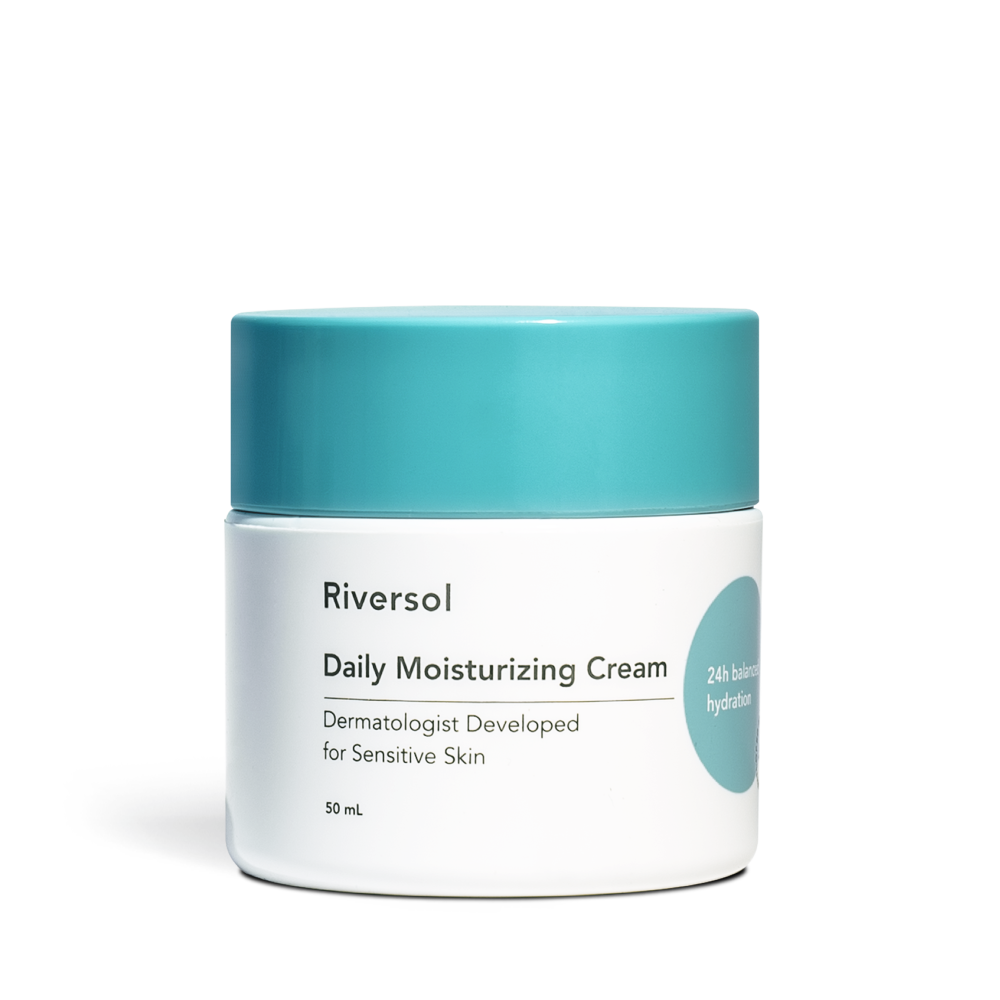
After exercise, gentle cleansing and moisturizing help skin recover. Using a non-stripping cleanser followed by a barrier-supportive moisturizer, such as Riversol’s Daily Moisturizing Cream, helps replenish hydration and support the skin’s natural barrier after sweat and heat exposure.
Common Workout Skincare Mistakes to Avoid
Many common post-workout skincare mistakes happen when skin is already warm and sensitive, making gentle habits especially important. A few common habits can make skin more prone to irritation or breakouts around workouts. These are easy to overlook, but avoiding them can make a noticeable difference.
Waiting too long to cleanse after exercising
Over-cleansing or scrubbing skin aggressively
Using strong acne treatments right after workouts
Staying in sweaty workout clothes
Touching the face frequently during or after exercise
Individually, these habits may seem minor, but together they can disrupt the skin barrier and make skin slower to recover. If you’re using an acne treatment, it’s best to apply it once skin has cooled and been gently cleansed. A dermatologist-developed, non-drying acne treatment like Riversol’s Acne Treatment can help address breakouts without compromising the skin barrier when used as part of a calm, consistent routine.
Frequently Asked Questions About Exercise and Skincare
Does sweating cause acne? Sweat itself does not cause acne, but when sweat is left on the skin after exercise, it can mix with oil, dead skin cells, and bacteria and contribute to breakouts. Using a gentle, non-drying acne treatment after cleansing, can help address breakouts without disrupting the skin barrier.
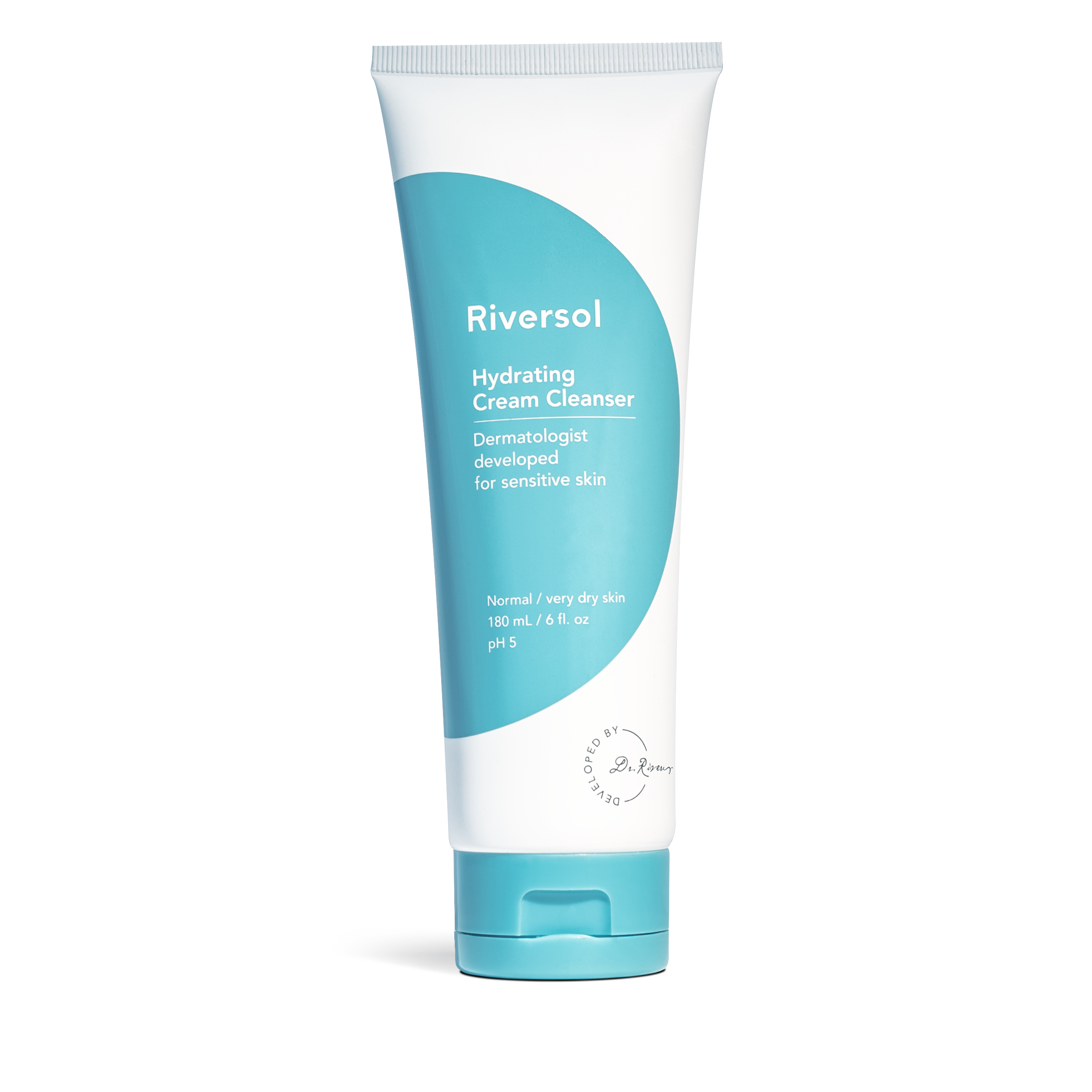
Should you wash your face immediately after a workout? You don’t need to cleanse the moment you stop moving, but it’s best to wash your face as soon as reasonably possible. A gentle cleanser designed to support the skin barrier, like Riversol’s Refreshing Gel Cleanser or Cream Cleanser, helps remove sweat and buildup without stripping the skin.
What if you can’t shower right after exercising? If a shower isn’t possible, gently wiping the skin with a clean, damp cloth and changing out of sweaty clothes can help. Cleanse properly and moisturize once you’re able.
Is it okay to wear makeup while working out? Heavy or full-coverage makeup can trap sweat against the skin and increase the risk of clogged pores. When possible, working out with clean skin or minimal makeup is easier on the skin.
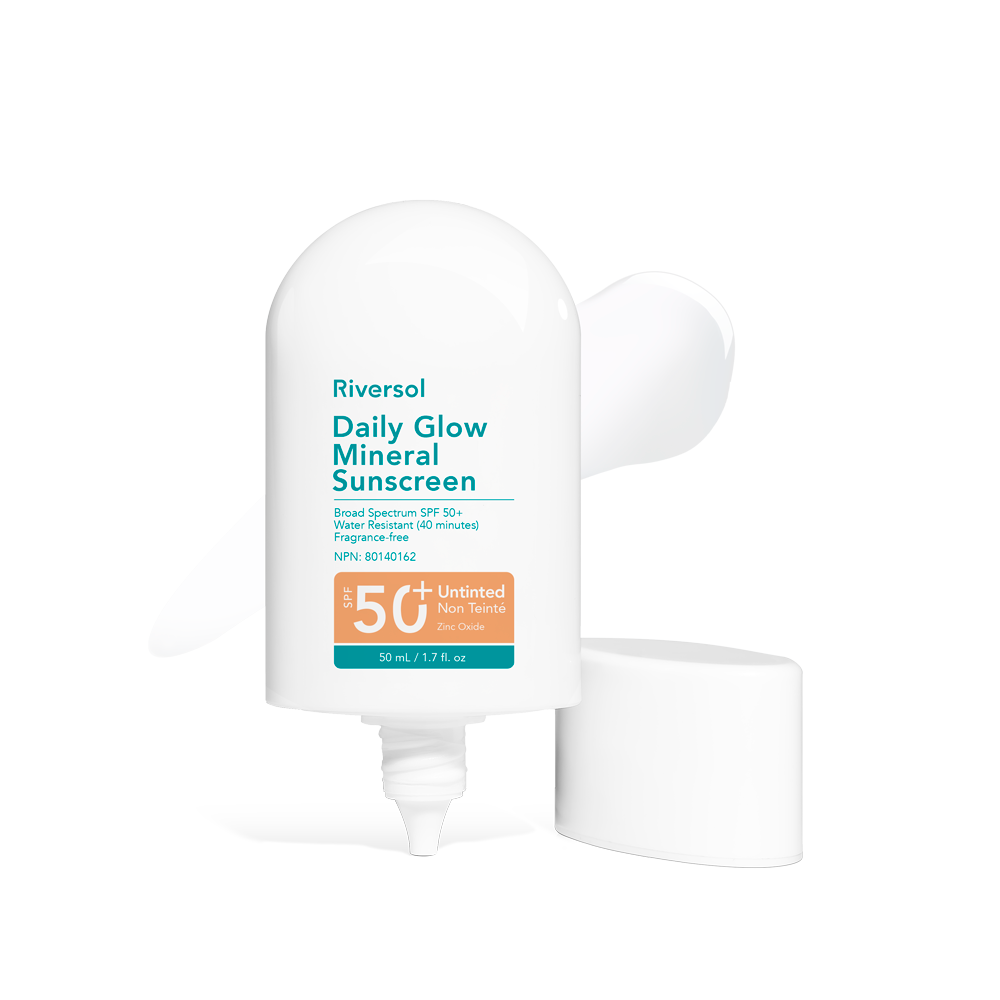
Do you need sunscreen for outdoor workouts? Yes. UV exposure affects the skin year-round, even on cloudy days or during shorter workouts. Look for a lightweight, broad-spectrum sunscreen that won’t feel heavy during movement, such as Riversol’s Daily Glow Mineral Sunscreen SPF 50+.
Can exercise actually improve your skin? Exercise can support healthy-looking skin by improving circulation and reducing stress. The benefits are most noticeable when workouts are paired with a gentle, consistent skincare routine.
Exercise Should Support Your Skin, Not Stress It
Exercise plays an important role in overall health, and it doesn’t need to come at the expense of your skin. While sweat, heat, and movement do affect the skin, they aren’t inherently harmful. Most post-workout skin concerns come down to how the skin is cared for before, during, and after exercise.
A simple, consistent routine makes all the difference. Keeping skin clean before workouts, minimizing friction and buildup during exercise, and cleansing gently afterward help support the skin barrier and reduce unnecessary irritation. The goal isn’t to control every variable or achieve perfection. It’s to give your skin what it needs to recover and stay balanced, even with an active lifestyle. When skincare works with your routine instead of against it, exercise can support both your overall well-being and your skin. role A simple workout skincare routine before and after exercise can help keep skin balanced, comfortable, and supported over time.
With this purchase, you choose to become a Riversol+ member and understand that you will be charged a $3.95 trial fee for the first month, followed by $19/month thereafter, which is converted to store credit. You can pause or cancel anytime.
 MEMBERSHIP

 Sign in
 Sign in