Powerful antioxidant
Helps defend against oxidative stress.


“The more research I did, the more impressed I was with this unique ingredient and its ability to reduce the look of sunspots and improve skin clarity and texture.”
Dr. Jason Rivers
Dermatologist + Founder of Riversol
Hinokitiol’s properties make it relevant to several of the concerns sensitive skin brings to a dermatologist’s office.
Helps defend against oxidative stress.
Supports calmer-looking skin and visible redness concerns.
Relevant to the pathway involved in excess melanin production.
Demonstrates antimicrobial activity in published laboratory research.

Hinokitiol, also known as beta-thujaplicin, occurs naturally in select trees in the cypress family, including Pacific red cedar.
01
Forest
Pacific red cedar (Thuja plicata), an iconic species native to the Pacific Northwest.
02
Heartwood
Hinokitiol occurs among the natural compounds found in the tree’s heartwood.
03
Molecule
Beta-thujaplicin, also known as Hinokitiol.
What published laboratory research has found.
Helps counter oxidative processes associated with environmental stress.
Published research has investigated effects on inflammatory signalling.
Research has shown inhibition of tyrosinase activity and melanin biosynthesis.
Zhu YJ et al. (2010), J Enzyme Inhib Med Chem. · Choi YG et al. (2006), J Dermatol Sci.
Hinokitiol has demonstrated antimicrobial activity in laboratory research.
It’s a molecule scientists keep studying.
Tyrosinase + melanin biosynthesis
Inflammatory signalling
Laboratory antimicrobial research
Antioxidant activity
01
Preventive effects of beta-thujaplicin against UVB-induced MMP-1 and MMP-3 mRNA expressions in skin fibroblasts.
Cherng JY, Chen LY, Shih MF (2012). Am J Chin Med. 40(2):387–98.
02
Differential regulation of melanosomal proteins after hinokitiol treatment.
Choi YG, Bae EJ, Kim DS, Park SH, Kwon SB, Na JI, Park KC (2006). J Dermatol Sci. 43(3):181–8.
03
Inhibitory effects of hinokitiol on tyrosinase activity and melanin biosynthesis and its antimicrobial activities.
Zhu YJ, Qiu L, Zhou JJ, Guo HY, Hu YH, Li ZC, Wang Q, Chen QX, Liu B (2010). J Enzyme Inhib Med Chem. 25(6):798–803.

Hinokitiol can be challenging to formulate into topical skincare. Riversol spent years developing formulations that could successfully incorporate this unusual ingredient into skincare designed for sensitive skin.
That’s why Hinokitiol became a signature of Riversol.
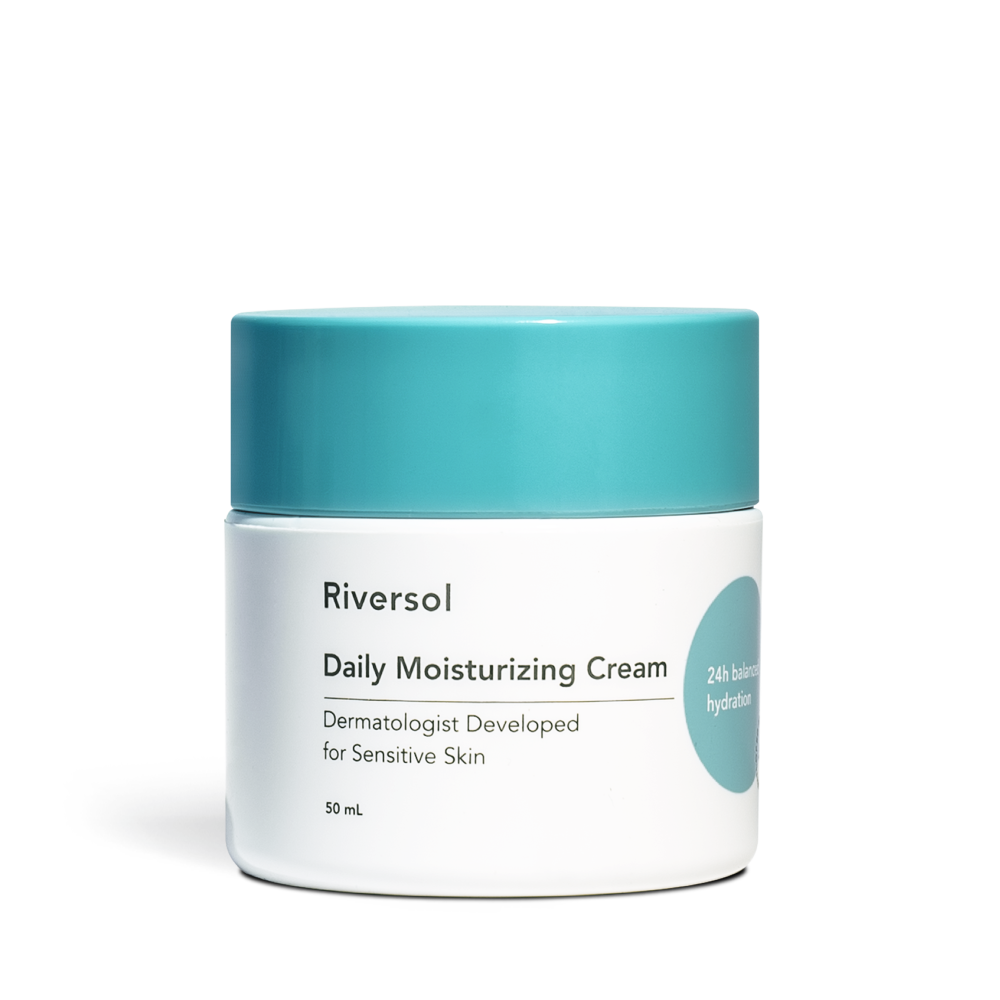
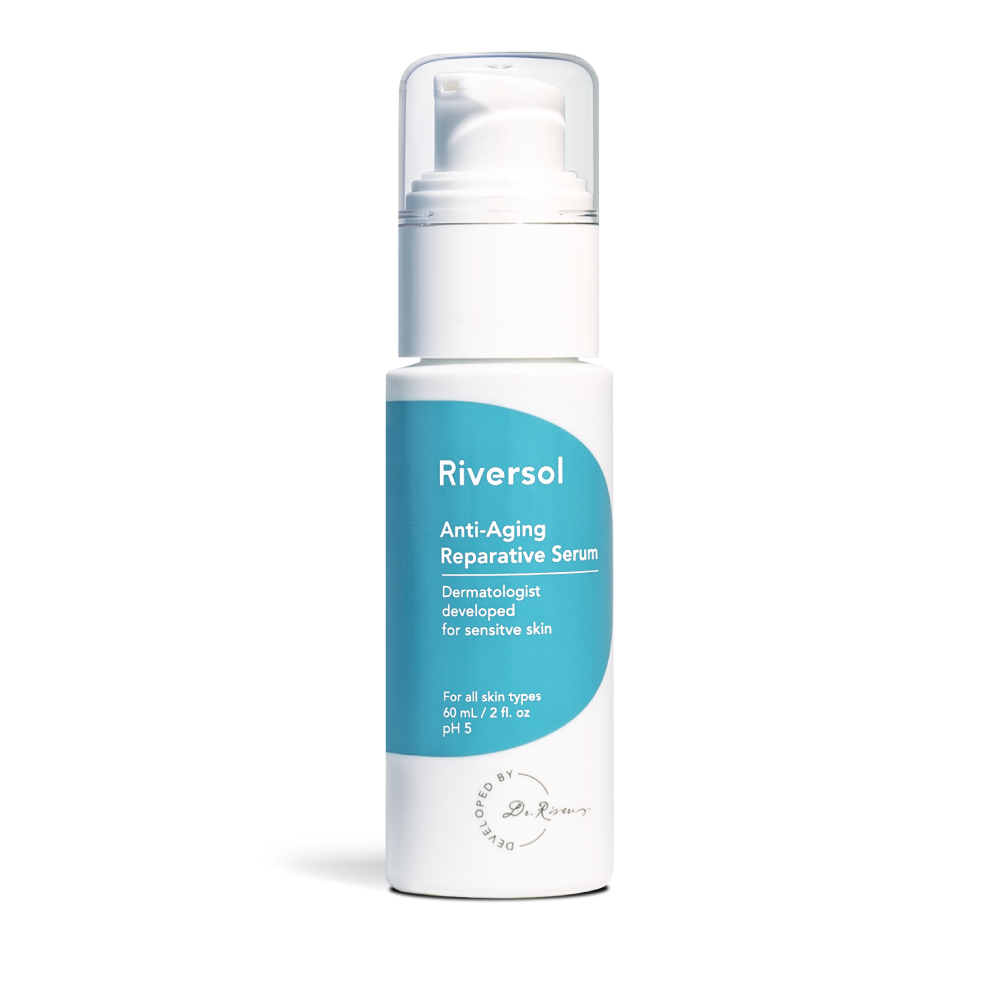
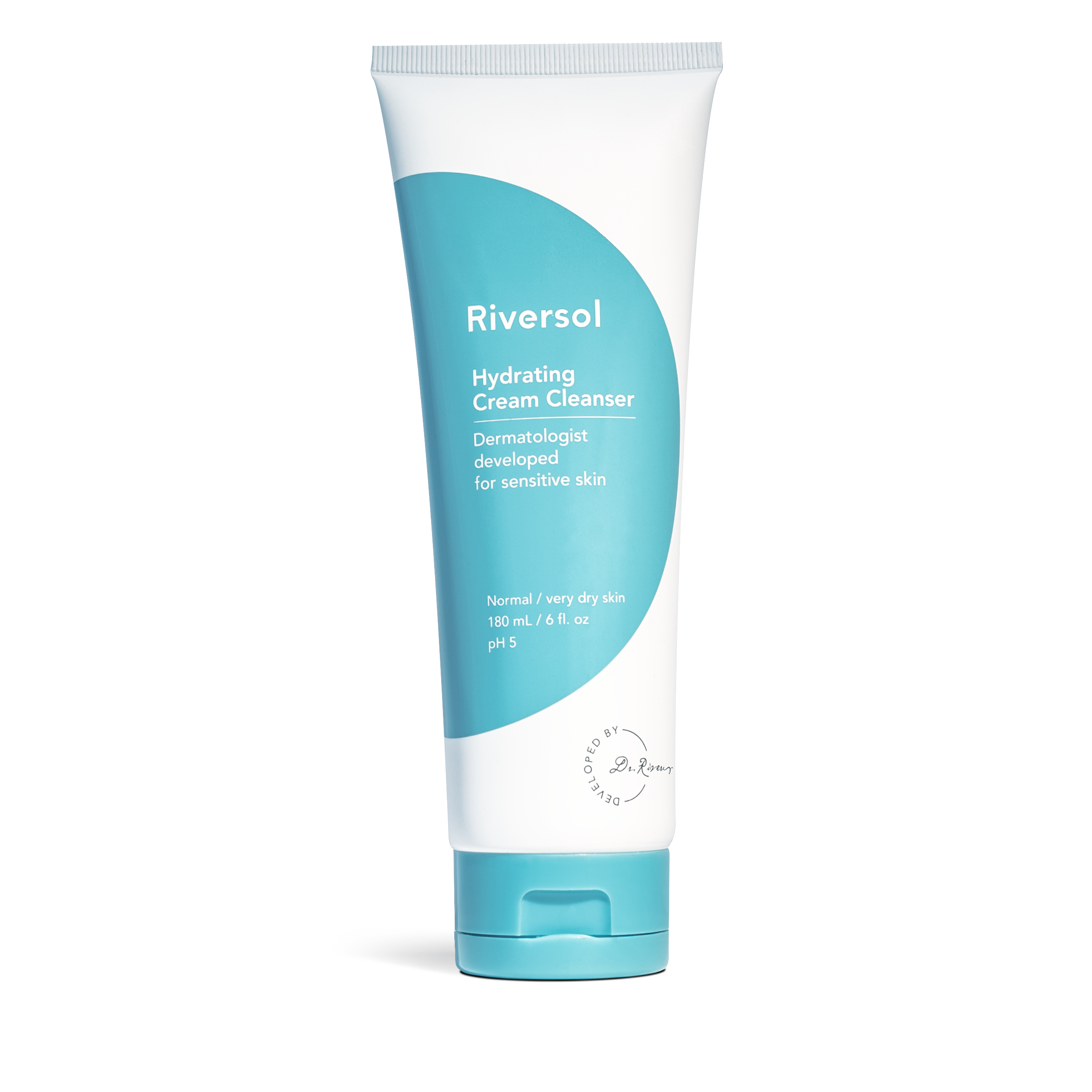
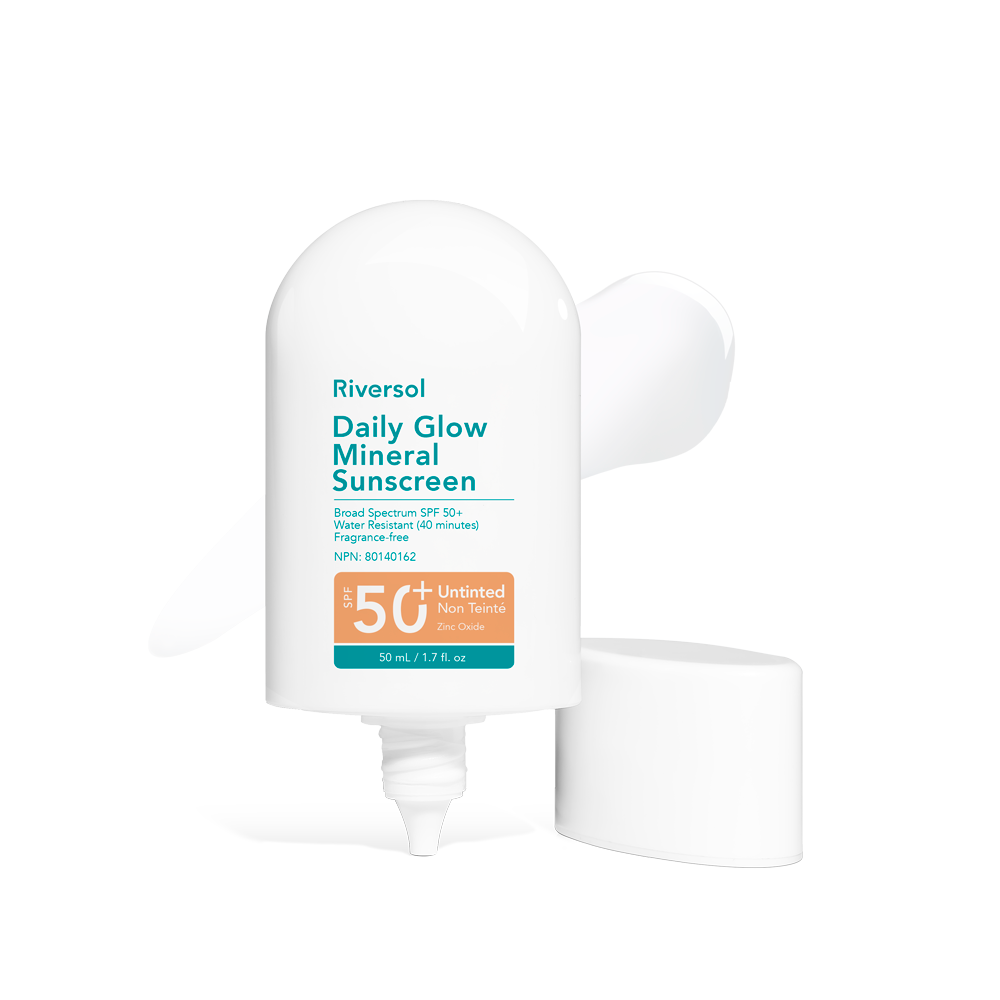
Découvrez les formules Riversol enrichies de notre antioxydant signature.
Utilisez le Skin Analyzer pour obtenir une routine adaptée à votre peau en quelques minutes.
Votre panier est actuellement vide.
Not sure where to start?
Try these collections:
Join the membership for just $3.95 for the first month, then $19/month.
As a Riversol+ member, you'll get to enjoy these exclusive perks:
Sign up by selecting the 'Member' option at cart.
You can pause or cancel anytime.
LEARN MORE Already a member? Sign in

Sachet de sérum anti-âge

Sachet de Crème Nettoyante Hydratante

Sachet de crème hydratante quotidienne

Sachet de sérum anti-âge

Sachet Peeling Exfoliant au Glycolique

Sachet de traitement réparateur pour les yeux